
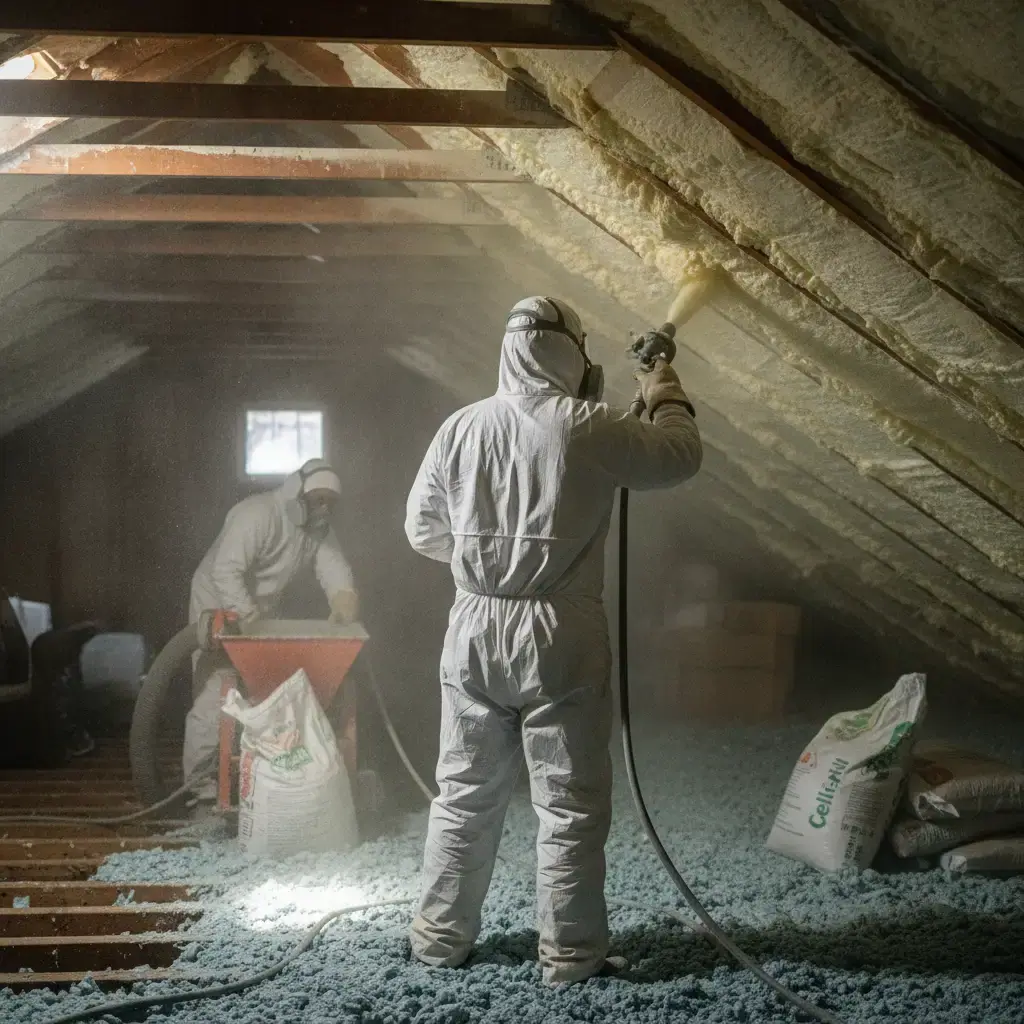
Garage Insulation in Norwalk, CA
Energy-Saving Garage Insulation for Norwalk, CA Homes — Licensed & Insured
Need garage insulation in Norwalk, CA? Bright Sky Attic Insulation offers spray foam, batts & more. Call (562) 573-5138 for a free estimate today.
Garage insulation is the process of applying thermal and moisture-resistant materials to your garage walls, ceiling, and door to regulate temperature, reduce energy loss, and improve overall comfort throughout your home. In Norwalk, CA — a densely developed city in southeastern Los Angeles County — garages frequently serve as converted living spaces, workshops, laundry rooms, and direct entry points to the main home, making proper insulation not just a comfort upgrade but a genuine necessity.
Norwalk’s Mediterranean climate brings hot, dry summers with temperatures routinely exceeding 95°F and mild but damp winters, placing constant thermal stress on uninsulated garages. At Bright Sky Attic Insulation, we specialize in professional garage insulation solutions tailored to the specific construction styles, climate demands, and building codes prevalent in Norwalk and surrounding communities. Our team brings deep knowledge of local conditions and uses industry-leading materials to deliver lasting results for Norwalk homeowners.

Understanding Garage Insulation in Norwalk, CA
Garage insulation refers to the installation of thermal barrier materials — including batts, rigid foam boards, spray foam, and blown-in products — within the structural cavities and surfaces of a residential or commercial garage. The goal is to slow the transfer of heat between the interior garage space and the outdoors, as well as between the garage and adjoining living areas.
Historically, garage insulation was largely overlooked during the mid-20th century suburban boom that shaped cities like Norwalk. When Norwalk was formally incorporated in 1957 and rapidly developed through the late 1950s and 1960s as part of the postwar Southern California housing expansion, tract homes were built quickly and economically. Garages in this era were typically constructed with single-layer drywall or bare stud walls, no ceiling insulation, and single-panel metal or wood doors — designs that made no provision for thermal efficiency.
Read moreShow less
As energy costs rose through the 1970s oil crisis and beyond, homeowners began to recognize the garage as a significant source of heat gain and energy loss. Today, building science has established that an attached garage with no insulation can raise the temperature of adjacent rooms by 10°F to 15°F during summer months, dramatically increasing air conditioning loads.
In Norwalk specifically, a large percentage of the housing stock consists of single-family homes built between 1950 and 1975, with attached two-car garages that share at least one wall — and often a ceiling — with the main living space. These homes present a high prevalence of thermal bridging, where heat travels through uninsulated framing directly into bedrooms, kitchens, and hallways.
Modern garage insulation products used in Norwalk applications include fiberglass batts rated at R-13 to R-19 for walls, spray polyurethane foam (SPF) for irregular cavities and air sealing, rigid foam boards for garage doors, and blown-in cellulose for garage ceilings when attic access is available. Choosing the right combination depends on the garage’s construction, its relationship to living spaces, and the homeowner’s energy efficiency goals.
Learn more about our attic insulation services in Norwalk
Why Garage Insulation Is Needed in Norwalk, CA
Extreme Summer Heat in the San Gabriel Valley Basin
Norwalk sits within the Los Angeles Basin, a geographic bowl that traps heat generated by urban surfaces and limits the dispersal of warm air. During the historic heat events of September 2022 — when the LA Basin recorded temperatures exceeding 110°F in surrounding areas and Norwalk itself saw sustained highs above 100°F for multiple consecutive days — uninsulated garages essentially became heat radiators. Attached garages facing south or west in neighborhoods like Studebaker Road corridors and the Norwalk Crossings area routinely absorb solar radiation throughout the afternoon, transferring that heat load directly into adjacent living rooms and bedrooms without an insulation barrier to slow the transfer.
Moisture Intrusion from Winter Rainfall and Ground Conditions
Despite its dry reputation, Norwalk receives an average of approximately 14 to 15 inches of rainfall annually, with most precipitation concentrated between November and March. The city’s clay-heavy soils — characteristic of much of southeastern Los Angeles County — expand during wet periods and contract in dry heat, contributing to foundation movement and slab cracking that can allow moisture to wick into garage floors and lower wall cavities. Without vapor-resistant insulation materials, this moisture creates conditions favorable for mold growth inside wall assemblies. Neighborhoods near the San Gabriel River floodplain, including sections of the Norwalk Estates area, face elevated groundwater conditions that further compound this risk.
High Prevalence of Converted and Occupied Garages
Norwalk has one of the higher rates of accessory dwelling unit (ADU) conversion activity in Los Angeles County, driven by housing demand and affordability pressures. Many homeowners in neighborhoods along Pioneer Boulevard, Firestone Boulevard, and Imperial Highway have converted attached garages into habitable spaces — legally or informally — without upgrading the insulation. These converted spaces experience temperature swings of 20°F to 30°F between summer daytime highs and nighttime lows, making them uncomfortable and energy-inefficient without proper insulation.
Aging Housing Stock and Code Compliance
A significant portion of Norwalk’s residential buildings were constructed before California’s Title 24 Energy Efficiency Standards took effect in 1978. Homes built in the early Norwalk tract developments along Rosecrans Avenue and Bloomfield Avenue corridors frequently have R-0 garage walls and uninsulated shared ceilings. As California continues tightening energy codes, particularly under the 2022 Title 24 updates, Norwalk homeowners undertaking renovations or ADU permits are increasingly required to bring garage thermal performance up to current standards.
Urban Heat Island Effect
Norwalk’s high density of paved surfaces, commercial strips along Alondra Boulevard, and industrial zones near Santa Fe Springs create a localized urban heat island effect that raises ambient nighttime temperatures by 3°F to 5°F compared to less developed areas, meaning garages retain heat longer into the evening and cool down more slowly — amplifying the need for quality insulation.
Free, no-obligation estimates
Talk to Bright Sky Attic Insulation
Tell us what you need and we’ll take it from there.
Signs You Need Garage Insulation in Norwalk, CA
Temperature and Comfort Issues
- The room adjacent to your garage feels noticeably warmer or cooler than other rooms in your home
- Your garage reaches temperatures above 100°F during Norwalk’s summer afternoons even with the door closed
- Your HVAC system runs excessively or struggles to maintain set temperatures in rooms near the garage
- You notice cold drafts entering living areas through the garage door wall during winter months
Energy and Cost Indicators
- Your monthly electricity bills have increased without a corresponding change in usage habits — particularly during June through September peak cooling season in Norwalk
- Visible gaps around the garage door frame or between the garage ceiling and living space floor above
Moisture and Air Quality Warning Signs
- Musty or moldy odors originating from the garage and migrating into the home
- Visible condensation on interior garage walls during winter mornings
- Peeling paint or efflorescence on garage walls, indicating moisture migration through the masonry or drywall
- Allergy or respiratory symptoms that worsen when the garage door to the interior is opened
Structural and Visual Indicators
- Bare stud walls with no insulation visible between framing members
- A garage ceiling with no insulation above the drywall layer
- A metal or standard wood garage door with no foam core or insulated panel system
If you recognize two or more of these signs, contact Bright Sky Attic Insulation at (562) 573-5138 for a professional assessment.
Garage Insulation Methods and Approaches
Fiberglass Batt Insulation
Fiberglass batts are pre-cut panels of spun glass fiber that fit between standard stud framing. They deliver R-13 to R-21 performance in standard 2×4 and 2×6 walls and are a cost-effective choice for Norwalk garages with open, unfinished stud walls. This method works especially well in garages being insulated prior to drywall installation during a renovation.
Learn moreSpray Foam Insulation
Spray polyurethane foam — available in open-cell and closed-cell formulations — is applied as a liquid that expands to fill irregular cavities, seal air gaps, and create a moisture-resistant barrier. Learn more about our spray foam insulation services Closed-cell spray foam at R-6 per inch is particularly effective in Norwalk garages with older, irregularly framed walls or in spaces being converted to ADUs where both thermal performance and moisture resistance are priorities.
Learn moreRigid Foam Board Insulation
Rigid polyisocyanurate or extruded polystyrene (XPS) boards are cut to fit and applied directly to garage walls or the back face of garage doors. At R-3.8 to R-6.5 per inch, rigid boards add significant R-value without requiring deep wall cavities — ideal for finished garages in Norwalk’s mid-century homes where stud cavities are already partially occupied.
Blown-In Insulation
Blown-in cellulose or fiberglass is used for garage ceilings accessible from above, particularly in Norwalk homes where the garage ceiling is directly below a conditioned room or attic space. Explore our blow-in insulation options This method achieves uniform coverage around obstructions like joists and wiring and is well-suited to Norwalk’s common two-story home configurations.
Insulation Removal and Replacement
When existing garage insulation is found to be damaged by moisture, pest activity, or age — common in Norwalk homes with insulation installed in the 1970s or 1980s — we provide complete removal and replacement services before installing new materials. Learn about our insulation removal process
Learn moreGarage Insulation Cost in Norwalk, CA
Understanding the cost of garage insulation in Norwalk helps homeowners budget effectively and evaluate quotes accurately. Pricing varies based on garage size, insulation method, material type, and the condition of existing walls.
Typical Price Ranges for Norwalk Homeowners
- Fiberglass batt insulation (walls and ceiling): $800 – $1,800 for a standard two-car garage (approximately 400–500 sq ft of wall and ceiling surface)
- Spray foam insulation (closed-cell): $1,500 – $3,500 depending on coverage area and thickness required
- Rigid foam board for garage door: $200 – $600 for a standard 16-foot wide door, including labor
- Blown-in ceiling insulation: $400 – $900 for a two-car garage ceiling
- Complete garage insulation package (all surfaces, spray foam): $2,500 – $5,000+ for larger or converted garages
- Insulation removal prior to replacement: $300 – $800 depending on material type and quantity
Read moreShow less
Factors That Affect Cost in Norwalk
- Garage size: One-car garages (approximately 200–250 sq ft) cost significantly less than two-car or three-car configurations
- Existing conditions: Mold remediation, moisture repairs, or pest damage discovered during assessment add to total project cost
- Material selection: Closed-cell spray foam costs more per square foot than fiberglass but delivers higher R-value per inch
- Access difficulty: Low-clearance ceilings or finished walls requiring selective demo may increase labor time
- ADU or permit requirements: Norwalk ADU conversions may require specific R-values per Los Angeles County building code, affecting material choices
Call Bright Sky Attic Insulation at (562) 573-5138 for a free, no-obligation cost estimate specific to your Norwalk garage.
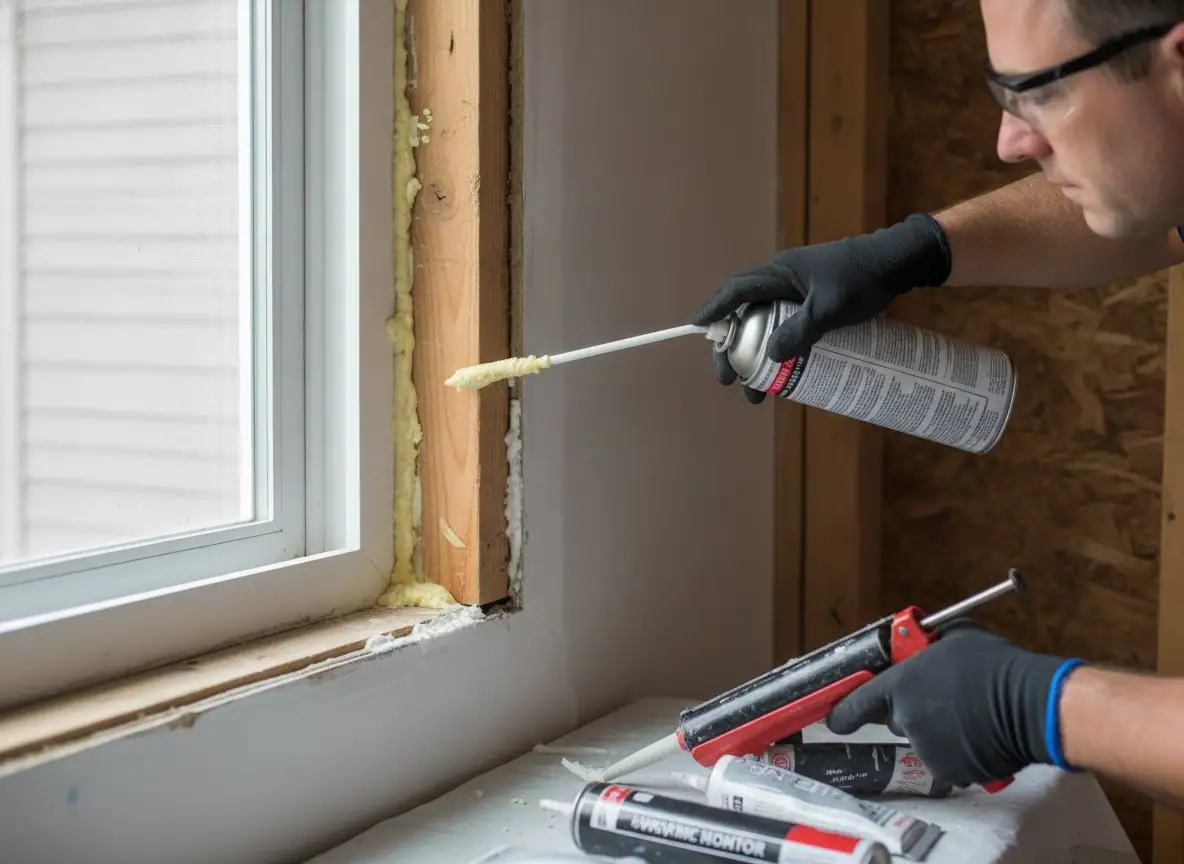
Norwalk Neighborhoods We Serve
Norwalk Crossings Area
Homes in this corridor along the 5 Freeway typically date from the 1960s and 1970s and feature single-car garages with uninsulated masonry or wood-frame walls. Traffic-generated heat and noise make combined thermal and acoustic insulation a popular upgrade here.
Pioneer Boulevard Corridor
A mix of single-family homes and duplexes along Pioneer Boulevard includes a high rate of informal garage conversions. These structures often require both wall insulation and ceiling insulation upgrades to meet habitable space standards under LA County code.
Studebaker Road Neighborhoods
Homes near Studebaker Road in western Norwalk tend to be slightly newer, dating from the late 1970s through the 1990s, and may have original fiberglass batts that have settled, compressed, or sustained moisture damage over four to five decades — making replacement a priority.
Areas Near the San Gabriel River
Homes in eastern Norwalk near the San Gabriel River face elevated groundwater and soil moisture conditions that accelerate vapor intrusion into garage structures, making vapor-resistant spray foam the preferred insulation solution.
We also serve all surrounding communities including Downey, Bellflower, Cerritos, Artesia, La Mirada, Lakewood, and Paramount. View our full service area
Garage Insulation Maintenance Tips for Norwalk Homeowners
Proper maintenance helps your garage insulation perform effectively for decades in Norwalk’s demanding climate.
- Inspect annually for moisture damage: Each fall before Norwalk’s rainy season begins, check garage walls and ceiling for water stains, discoloration, or softness that may indicate moisture intrusion through insulation.
- Check weatherstripping on the garage door: Worn bottom seals and side weatherstripping are among the most common sources of air infiltration in Norwalk garages. Replace worn seals every 2–3 years.
- Look for pest activity: Rodents and insects common in southeastern LA County can nest in and damage fiberglass batt insulation. Check for gnaw marks or nesting materials inside walls if you notice unusual odors.
- Maintain positive drainage away from the garage slab: Norwalk’s clay soils hold water, so ensure exterior grading directs rainfall away from the garage foundation to limit moisture wicking.
- Monitor for settling in blown-in insulation: Cellulose ceiling insulation can settle 10–15% over several years. Check depth with a ruler and add insulation if it has dropped below target R-value.
- Keep spray foam surfaces protected: Exposed spray foam degrades under UV exposure. If foam is applied to an unfinished ceiling or wall, cover it with drywall or appropriate coating.
- Service your garage door annually: A misaligned or poorly sealing garage door undermines even the best wall and ceiling insulation. Have the door serviced each year.
FAQ
Frequently Asked Questions About Garage Insulation in Norwalk, CA
How much does garage insulation cost in Norwalk, CA?
Garage insulation costs in Norwalk typically range from $800 to $5,000 or more, depending on garage size, insulation method, and the condition of existing walls. A basic fiberglass batt installation for a single-car garage may fall between $800 and $1,200, while a full closed-cell spray foam application for a larger two-car garage can reach $3,000 to $5,000. Contact Bright Sky Attic Insulation at (562) 573-5138 for a free site-specific estimate.
How long does garage insulation installation take in Norwalk?
Most standard garage insulation installations in Norwalk are completed in a single day. A straightforward fiberglass batt installation typically takes 4–6 hours, while spray foam projects may take 6–8 hours including setup, application, and cure time. Larger garages or projects requiring prior insulation removal may extend to two days.
Is garage insulation required by code in Norwalk, CA?
California’s Title 24 Energy Code requires insulation in garage walls and ceilings that share a boundary with conditioned living space. If you are converting your Norwalk garage into an ADU or undertaking a permitted renovation that triggers Title 24 compliance, specific R-value minimums will apply. Our team is familiar with current Los Angeles County requirements and ensures all work meets applicable codes.
What is the best type of insulation for a Norwalk garage?
The best insulation type depends on your garage’s specific construction and goals. For unfinished walls with open stud cavities, fiberglass batts offer cost-effective performance. For air sealing and moisture resistance — particularly important in Norwalk homes near the San Gabriel River or with clay soil moisture issues — closed-cell spray foam is typically the superior choice. We recommend a combination approach for most Norwalk garages: spray foam for air sealing and wall base layers, fiberglass batts for ceiling cavities.
Can I insulate my garage door in addition to the walls and ceiling?
Yes, and we strongly recommend it. A standard single-panel garage door has an R-value near zero. Adding rigid foam board insulation panels to the interior of an existing door can raise R-value to R-6 to R-10, significantly reducing heat gain during Norwalk’s summer afternoons. This is one of the highest-impact, most cost-effective garage improvements available to Norwalk homeowners.
Will garage insulation reduce my energy bills in Norwalk?
Yes. Studies from the Department of Energy indicate that properly insulating an attached garage can reduce cooling loads on adjacent rooms by 15–25%, which translates to measurable reductions in air conditioning electricity consumption. Given Norwalk’s extended cooling season — typically May through October — this represents meaningful savings on Southern California Edison bills over time.
Do I need to remove old insulation before installing new insulation in my Norwalk garage?
Not always. If existing insulation is dry, undamaged, and achieving adequate R-value, it can often be supplemented rather than replaced. However, if we find moisture damage, mold, or pest nesting material — issues we commonly encounter in Norwalk garages built before 1980 — removal and replacement is necessary to prevent ongoing problems. We assess this during the initial inspection. Learn more about insulation removal services
Do you serve neighborhoods near Norwalk, such as Downey or Bellflower?
Yes. Bright Sky Attic Insulation serves a broad service area throughout southeastern and east Los Angeles County, including Downey, Bellflower, Cerritos, Artesia, La Mirada, Lakewood, Paramount, Commerce, Montebello, Santa Fe Springs, Pico Rivera, Whittier, East Whittier, South Whittier, West Whittier-Los Nietos, Buena Park, and La Habra. Call (562) 573-5138 to confirm service to your address.
Get Your Free Garage Insulation Estimate in Norwalk, CA Today
Don’t let another scorching Norwalk summer or damp winter season pass without addressing your garage’s insulation. Whether you’re dealing with a hot, uncomfortable workspace, rising electricity bills, moisture issues, or preparing for an ADU conversion, Bright Sky Attic Insulation has the local expertise and proven materials to deliver lasting results.
Our Norwalk-area team is ready to schedule your free, no-obligation on-site assessment at a time convenient for you. We’ll inspect your garage, explain your options in plain language, and provide a transparent written estimate — no pressure, no surprises.
Call us now at (562) 573-5138 or visit our website to request an appointment online. Bright Sky Attic Insulation — Norwalk’s trusted garage insulation specialists.
Request Your Free Garage Insulation Estimate Online
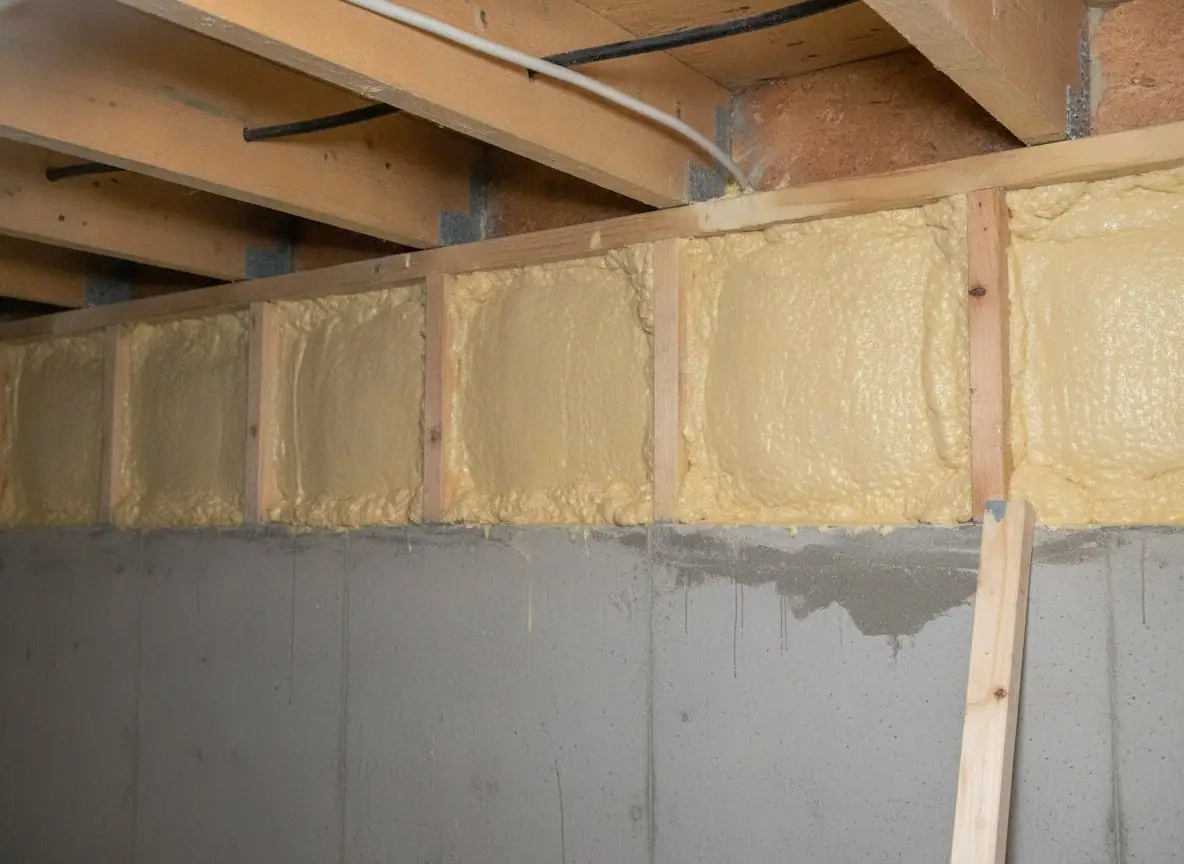
Why choose us
Why choose Bright Sky Attic Insulation?
Free estimates
Get a clear, no-obligation estimate before any work begins.
Licensed & insured
Your property and our crew are protected on every project.
Residential & commercial
One team for homes, multi-family and commercial properties.
Locally owned & operated
A local team serving your community and the surrounding area.
Get in touch
Find insulation help near you
Request a free estimate online or give us a call — our team will follow up quickly.
- Call us(562) 573-5138
- Visit14020 Pioneer Blvd K, Norwalk, CA 90650
- HoursMon-Sun 07:00-19:00