Mineral Wool Insulation in Norwalk, CA
Energy-Saving Mineral Wool Insulation for Norwalk, CA Homes — Licensed & Insured
Need mineral wool insulation in Norwalk, CA? Bright Sky Attic Insulation delivers expert installation, removal & replacement. Call (562) 573-5138 for a free estimate.
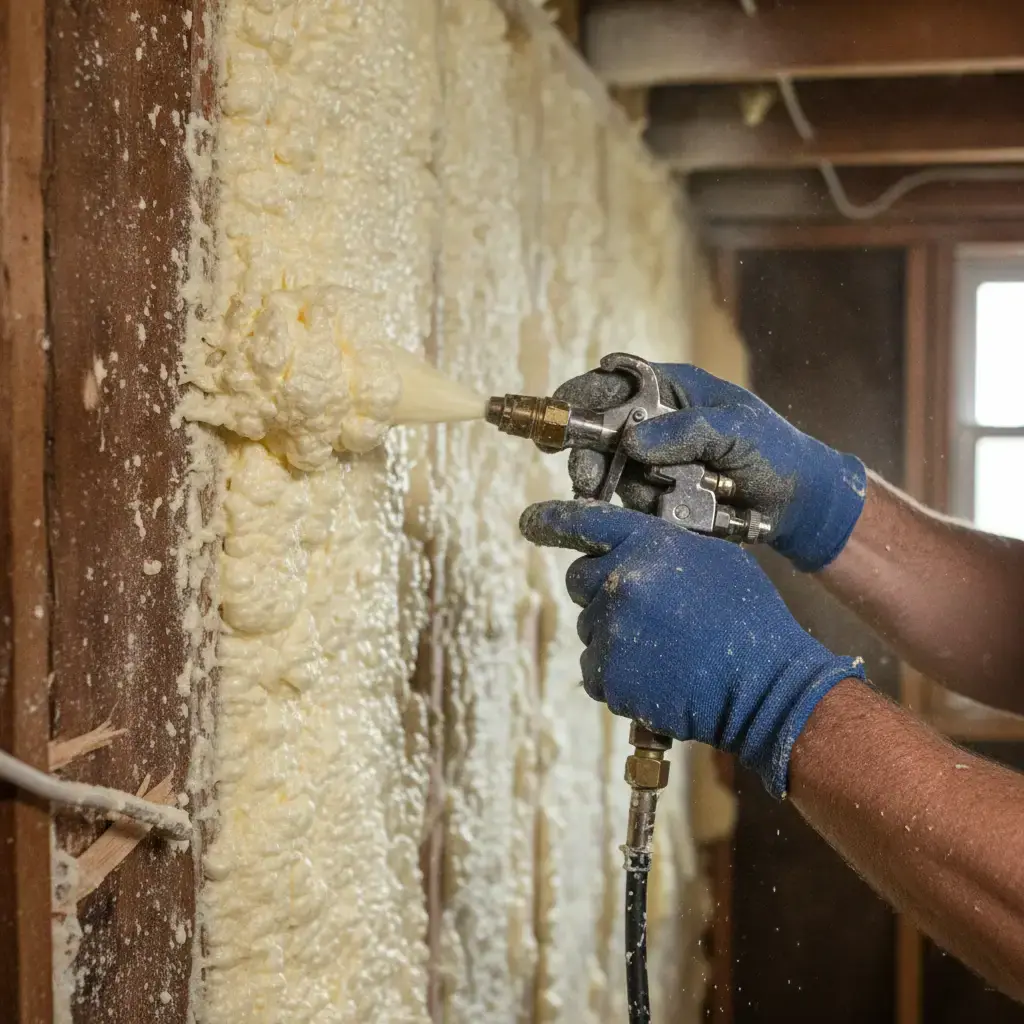
Mineral wool insulation — also known as rock wool or slag wool — is one of the most fire-resistant, acoustically effective, and thermally efficient insulation materials available to Norwalk homeowners today. Made from natural basalt rock or industrial slag spun into dense, fibrous batts and boards, mineral wool delivers superior R-value performance while standing up to the unique thermal cycling and moisture conditions found throughout the Los Angeles County communities we serve.
At Bright Sky Attic Insulation, we specialize in professional mineral wool insulation installation for residential and commercial properties across Norwalk and the surrounding Southeast Los Angeles region. Norwalk’s combination of hot, dry summers, occasional marine-influenced humidity from the nearby Pacific coast, and a housing stock dominated by post-World War II single-family homes creates a very specific set of insulation demands — and mineral wool is exceptionally well-suited to address all of them. Whether you’re upgrading an aging attic, insulating a new addition, or replacing outdated fiberglass batts, our experienced team delivers precise, code-compliant results. Call us today at (562) 573-5138 to schedule your free assessment.
Understanding Mineral Wool Insulation
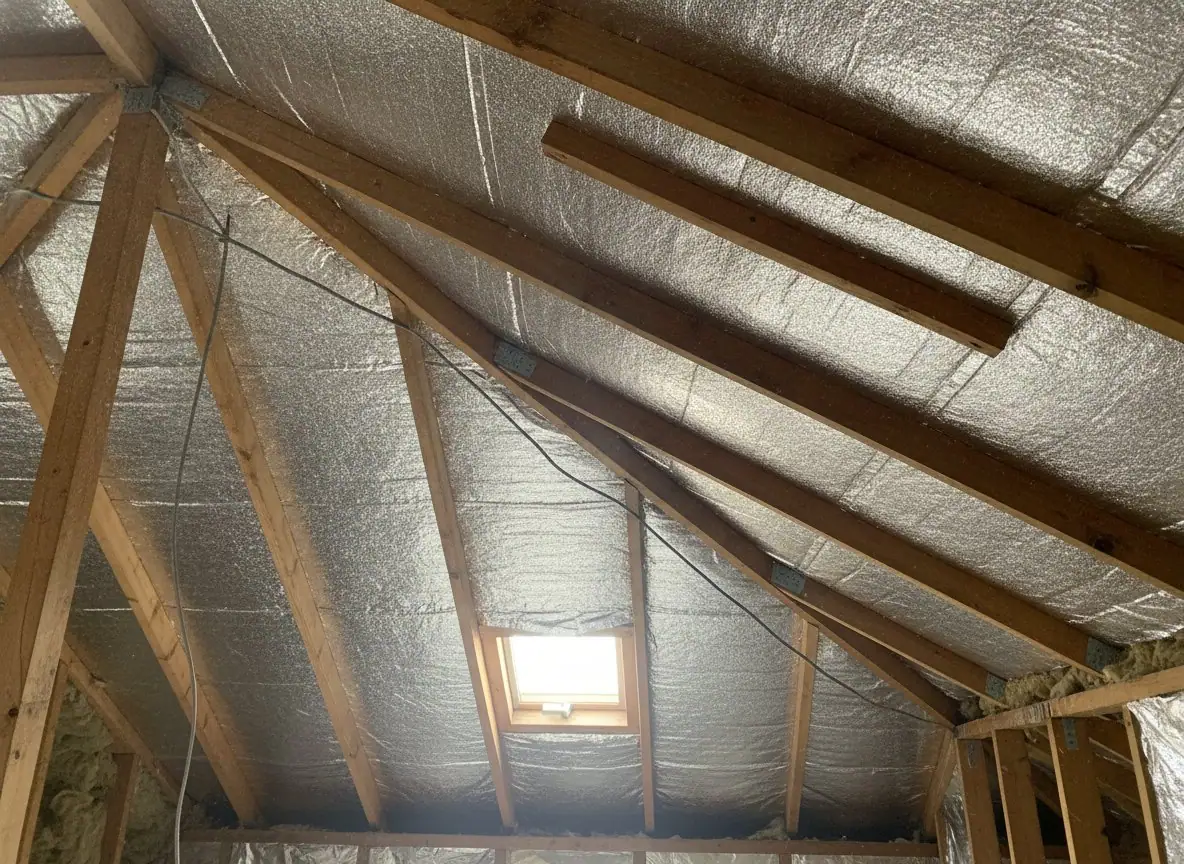
Mineral wool insulation has a history stretching back more than a century. Its commercial production in the United States began in the late 1800s, initially as a byproduct of iron smelting — what we now call slag wool. By the mid-20th century, rock wool (manufactured from volcanic basalt) became the dominant product, prized for its non-combustible properties in an era when residential fire safety codes were rapidly evolving. Today’s mineral wool products, including brands such as Rockwool (ROXUL) and Thermafiber, represent highly refined versions of these early materials and hold Class A fire ratings, meaning they will not ignite or sustain flame.
In terms of performance, mineral wool batts typically achieve an R-value of approximately R-3.0 to R-3.3 per inch, while high-density boards can reach R-4.0 per inch. This makes mineral wool competitive with — and in many applications superior to — standard fiberglass batts (R-2.9 to R-3.8 per inch). More importantly, mineral wool maintains its R-value even when exposed to moisture, unlike fiberglass, which can lose 20–40% of its insulating capacity when wet.
Read moreShow less
Mineral wool is also inherently hydrophobic, meaning it repels liquid water while still allowing water vapor to pass through, reducing the risk of trapped moisture, mold growth, and structural rot. This characteristic is particularly relevant in Norwalk, where coastal marine layer influences can push relative humidity above 80% on late-spring and early-fall mornings — even as afternoon temperatures climb into the 90s°F.
In Southern California’s building landscape, mineral wool is most commonly installed in:
- Attic assemblies — between rafters or as a deep-fill layer above ceiling joists
- Exterior walls — within 2×4 and 2×6 stud cavities in both new construction and retrofit projects
- Interior partition walls — for sound control in multi-family buildings, home offices, and media rooms
- Crawl spaces and subfloor assemblies — particularly in older Norwalk homes built on raised foundations
- Garage and accessory dwelling unit (ADU) conversions — a rapidly growing segment of Norwalk’s housing market under AB 68 and SB 9 legislation
The product’s non-combustible nature makes it a preferred choice near combustion appliances, recessed lighting, and chimney chases — all of which are common in Norwalk’s 1950s–1970s tract home inventory.
Why Mineral Wool Insulation Is Needed in Norwalk, CA
The Post-War Housing Stock Problem
The vast majority of Norwalk’s residential neighborhoods — including the Orr and Day Road corridor, the Imperial Highway tract developments, and communities surrounding Norwalk High School on Norwalk Boulevard — were constructed between 1947 and 1975. These homes were typically built with little to no wall insulation and minimal attic insulation, reflecting the era’s cheap energy costs and less stringent building codes. Original fiberglass batt insulation, where it was installed, has now degraded significantly. Aged fiberglass loses loft and settling can reduce coverage by 30–50%, pushing effective R-values well below current California Title 24 Energy Code minimums of R-38 for attic assemblies in Climate Zone 10, which covers Norwalk.
Seismic Activity and Insulation Degradation
Norwalk sits within one of the most seismically active regions in the continental United States. The city is located approximately 12 miles from the Whittier Fault, which produced the October 1, 1987 Whittier Narrows earthquake (magnitude 5.9) — one of the most damaging earthquakes in Los Angeles County in the 20th century. Smaller seismic events occur regularly throughout the region. Each tremor causes micro-settling of attic insulation, gaps to form around penetrations, and batts to shift away from their installed positions. Over time, this seismic micro-movement creates thermal bypass pathways that can negate 15–25% of an insulation system’s effectiveness. Mineral wool’s rigid, semi-rigid, and dense-pack batt formats resist shifting and maintain their installed position significantly better than loose or lofted fiberglass alternatives.
Marine Layer and Moisture Cycling
Norwalk is situated roughly 18 miles inland from the Pacific Ocean, close enough to be regularly affected by the Southern California marine layer — a stratus cloud and high-humidity air mass that rolls in from the coast overnight, particularly between May and September (the so-called “June Gloom” pattern). This daily moisture cycling, combined with afternoon dry heat, accelerates the deterioration of standard fiberglass batts and can promote mold growth in crawl spaces and attic assemblies with inadequate vapor management. Mineral wool’s hydrophobic composition makes it highly resistant to this type of moisture intrusion.
Wildfire Smoke and Air Quality
The Los Angeles basin’s recurring wildfire events — including the October 2019 Saddleridge Fire and the September 2020 El Dorado Fire — pushed air quality indices (AQI) above 150 (Unhealthy) across Norwalk for multiple days. Gaps in building envelope insulation allow infiltration of smoke particulates. Mineral wool’s dense fiber matrix, when properly air-sealed as part of a complete insulation system, can meaningfully reduce particulate infiltration compared to loose, low-density alternatives.
Title 24 Compliance Pressure
California’s Title 24 Part 6 Energy Code — updated in 2022 — mandates increasingly stringent performance standards for both new construction and significant remodels in Norwalk (Climate Zone 10). Mineral wool’s high R-value-per-inch and compatibility with continuous insulation assemblies make it one of the most straightforward paths to Title 24 compliance for both attic and wall assemblies in the city’s growing ADU and home renovation market.
Free, no-obligation estimates
Talk to Bright Sky Attic Insulation
Tell us what you need and we’ll take it from there.
Signs You Need Mineral Wool Insulation in Your Norwalk Home
Energy Performance Indicators
- Monthly Southern California Edison (SCE) bills exceeding $180–$220 during June–September despite standard usage patterns
- Your central air conditioner runs continuously during Norwalk’s peak heat days (above 93°F) without maintaining a set temperature below 78°F
- Noticeable temperature differences of 5°F or more between rooms on the same floor
Physical and Visual Symptoms
- Attic insulation depth measuring less than 10 inches (indicating R-values below the Title 24-required R-38 for Norwalk’s Climate Zone 10)
- Visible gaps, voids, or compressed sections in existing batt insulation during attic inspection
- Yellow or pink fiberglass batts that are matted, discolored, or show signs of moisture staining
- Pest intrusion — rodent nesting within attic insulation is common in Norwalk’s older tract homes and renders existing insulation contaminated and non-functional
Comfort and Indoor Air Quality Issues
- Musty odors emanating from the attic or crawl space, especially after Norwalk’s winter rain events
- Drafts near wall outlets, window frames, or ceiling light fixtures even with windows and doors closed
- Excessive noise transmission from Norwalk’s arterial roads — particularly Imperial Highway, Rosecrans Avenue, or the 605 Freeway — indicating inadequate sound-dampening insulation in walls
Urgency Indicators
If your home was built before 1980, has never had insulation replaced, or if you’ve recently completed a seismic retrofit, these are high-priority signals to schedule a professional insulation inspection immediately. Schedule your free Norwalk insulation assessment today
Our process
Our Mineral Wool Insulation Installation Process in Norwalk
Bright Sky Attic Insulation follows a structured, multi-step installation process engineered to the specific conditions of Norwalk homes and California building code requirements.
- 01
Free On-Site Inspection and Assessment (Day 1 — 1 to 2 Hours)
Our technician visits your Norwalk property to conduct a thorough visual inspection of the attic, crawl space, and accessible wall cavities. We measure existing insulation depths, document thermal bypass locations, assess moisture conditions, and identify any
- 02
Customized Project Proposal (Day 1–3)
We provide a detailed written proposal specifying the mineral wool product, installed R-value, square footage, and all associated air sealing work. We identify any Title 24 compliance requirements relevant to your specific project type — whether a straightforw
- 03
Old Insulation Removal and Disposal (Installation Day — 2 to 4 Hours)
For replacement projects, we use commercial-grade insulation removal vacuums to extract existing fiberglass, cellulose, or contaminated material. All waste is bagged, sealed, and transported to an approved Los Angeles County disposal facility in compliance wit
- 04
Air Sealing (Installation Day — 1 to 3 Hours)
Before any new insulation is placed, we seal all penetrations — including recessed light housings, top plates, plumbing chases, and HVAC ducts — using fire-rated caulk and spray foam. This step is critical in Norwalk’s older homes, where top plate gaps are fre
- 05
Mineral Wool Installation (Installation Day — 2 to 6 Hours Depending on Scope)
Our team installs mineral wool batts or boards to the specified depth and coverage, cutting each piece precisely to fit around existing framing, obstructions, and Norwalk-specific features like whole-house fans common in the city’s 1960s housing stock. We use
- 06
Quality Inspection and Documentation (Installation Day — 30 Minutes)
We conduct a post-installation walk-through, verify installed depths with a calibrated depth ruler, and photograph key areas for your records. We provide a completed installation report noting R-value achieved, product specifications, and square footage covere
- 07
Post-Installation Follow-Up (30 Days After Install)
We follow up to confirm your comfort levels and review any available utility bill data, ensuring the installation is performing as projected for your Norwalk address and climate zone.
Mineral Wool Insulation Methods and Approaches
Mineral Wool Batt Installation
The most common method for Norwalk’s standard 2×4 and 2×6 stud-framed homes, mineral wool batts are pre-cut to fit 16-inch and 24-inch on-center framing. They achieve R-15 in a 2×4 cavity (approximately 3.5 inches) and R-21 in a 2×6 cavity. Batts are ideal for new construction, open-wall renovations, and attic rafter applications where cavity dimensions are regular and accessible.
Mineral Wool Continuous Board Insulation
Rigid mineral wool boards — typically ½ inch to 4 inches thick — are installed as a continuous layer on the exterior side of wall sheathing or on the interior face of basement and crawl space walls. This approach eliminates thermal bridging through studs and is increasingly required under California’s updated Title 24 standards for new construction in Norwalk. Continuous boards are the preferred method for Norwalk ADU garage conversions where wall assembly depth is limited.
Dense-Pack Mineral Wool for Retrofit Walls
For Norwalk homes where exterior walls cannot be opened, dense-pack mineral wool can be blown into existing cavities through small-diameter bore holes drilled from the interior or exterior. This method is ideal for the city’s many 1950s–1960s stucco-clad homes where wall cavities are completely empty or contain only minimal, degraded insulation.
Mineral Wool for Crawl Space Applications
Many of Norwalk’s older raised-foundation homes benefit from mineral wool batts installed between floor joists in the subfloor assembly. The material’s moisture resistance and rodent-deterrent density make it far more durable in Norwalk’s crawl space environments than fiberglass alternatives. Explore our crawl space insulation services in Norwalk
Combined Mineral Wool and Spray Foam Systems
For maximum air sealing and thermal performance, we frequently combine a thin layer of closed-cell spray foam (1–2 inches) at the unvented roof deck with mineral wool batts in the rafter cavities below. This hybrid approach achieves the highest R-values permitted under Title 24 for Norwalk’s Climate Zone 10 while managing condensation risk at the roof deck. Learn about our spray foam insulation services
Mineral Wool Insulation Cost in Norwalk, CA
Understanding the cost of mineral wool insulation in Norwalk helps homeowners budget accurately and evaluate proposals from insulation contractors.
Typical Price Ranges
- Attic mineral wool batt installation (existing home, R-38 upgrade): $1,800 – $3,500 for a typical 1,200–1,600 sq ft Norwalk ranch home, including air sealing
- Mineral wool wall batt installation (open wall renovation): $1.50 – $2.50 per square foot of wall surface area installed
- Continuous mineral wool board (exterior wall application): $3.00 – $5.50 per square foot installed, depending on board thickness and complexity
- Dense-pack mineral wool retrofit walls: $2.50 – $4.00 per square foot
- Crawl space mineral wool (subfloor): $2.00 – $3.50 per square foot installed
- Old insulation removal (prior to installation): $0.75 – $1.50 per square foot — see our insulation removal service page for details
Read moreShow less
Factors That Affect Norwalk Mineral Wool Pricing
- Attic accessibility: Norwalk’s 1,100–1,400 sq ft post-war ranch homes often have low-pitch roofs with 18–24 inch clearance — tight spaces that require additional labor time
- Existing insulation condition: Homes with rodent-contaminated or asbestos-containing insulation (possible in Norwalk homes built before 1978) require specialized removal protocols and additional cost
- Project scope and combined services: Bundling attic insulation with crawl space encapsulation or insulation replacement often reduces the per-square-foot cost by 10–15%
- Material specification: Premium products such as ROCKWOOL COMFORTBATT carry a 5–15% premium over standard mineral wool batts but offer higher R-per-inch performance
Available Incentives
Norwalk homeowners may be eligible for Southern California Edison’s Home Energy Efficiency Rebate program, which currently offers up to $250 for qualifying attic insulation upgrades. Additionally, the federal Inflation Reduction Act’s Energy Efficient Home Improvement Credit (25C) provides a 30% tax credit, up to $1,200 per year, for qualifying insulation improvements. Call (562) 573-5138 for a detailed cost estimate specific to your Norwalk address.
Norwalk Neighborhoods We Serve
Central Norwalk (Near Norwalk Boulevard and Firestone Boulevard)
The heart of Norwalk’s residential grid, primarily developed between 1950 and 1965, features single-story concrete block and wood-frame homes. These properties commonly have uninsulated or under-insulated wall cavities and original blown cellulose in attics that has settled to only 4–6 inches of depth — well below Title 24 minimums.
East Norwalk (Near the 605 Freeway Corridor)
Properties adjacent to the San Gabriel River Freeway (605) face elevated exterior noise levels and significant traffic-related air quality concerns. Dense mineral wool wall and attic insulation delivers dual thermal and acoustic benefits for these homeowners, reducing both energy costs and interior noise from freeway traffic.
South Norwalk (Near Alondra Boulevard and Carmenita Road)
This area contains Norwalk’s highest concentration of post-1980 tract homes, including properties built under California Title 24’s early energy codes. While these homes have some original insulation, many are now overdue for R-value upgrades and benefit from mineral wool replacement of original fiberglass batts that have compressed and degraded over 30–40 years.
Norwalk Adjacent Communities
We serve homeowners in nearby Cerritos, La Mirada, Santa Fe Springs, and Downey facing identical climate, housing-stock, and Title 24 compliance challenges. View our full service area coverage
Mineral Wool Insulation Maintenance Tips for Norwalk Homeowners
- Annual attic inspection: Each fall — before Norwalk’s rainy season begins in November — visually inspect your attic for signs of pest intrusion, moisture staining, or insulation displacement. Early detection prevents small issues from requiring full replacement.
- Check insulation depth after seismic events: Following any earthquake above magnitude 3.5 in the Los Angeles area, verify that attic insulation hasn’t shifted away from eave areas or around penetrations.
- Maintain attic ventilation: Norwalk’s climate requires balanced soffit and ridge ventilation to prevent summer heat buildup above 150°F in attic spaces. Ensure mineral wool does not block soffit vents.
- Monitor for pest activity: Roof rats are active throughout Norwalk year-round. Mineral wool’s density deters nesting, but seal all roof penetrations to prevent entry.
- Inspect crawl space vapor barriers annually: Norwalk’s winter rains can saturate soil under raised-foundation homes. Verify that crawl space vapor barriers remain intact and that subfloor mineral wool batts remain dry.
- Clean HVAC ducts periodically: Leaky ducts running through uninsulated attic spaces waste energy and can deposit debris on insulation surfaces, reducing effectiveness.
- Re-evaluate after major renovations: Any Norwalk ADU conversion, room addition, or re-roofing project should include a mineral wool insulation review to maintain whole-building thermal performance.
Why Choose Bright Sky Attic Insulation for Mineral Wool Installation in Norwalk
Bright Sky Attic Insulation is a locally focused insulation specialist serving Norwalk and the greater Southeast Los Angeles region. Our team has deep, hands-on experience with the specific housing stock, climate zone conditions, and building code requirements that define Norwalk’s residential market.
We work exclusively in the communities we understand — from the post-war ranch homes along Norwalk Boulevard to the newer developments near Cerritos and La Mirada. This regional focus means we don’t apply generic installation templates. Every project is scoped to the actual conditions of your Norwalk property, including soil moisture levels, attic geometry, existing ventilation, and local code requirements under California Title 24 Climate Zone 10.
Read moreShow less
We offer comprehensive services under one roof — attic insulation, blow-in insulation, spray foam insulation, crawl space encapsulation, and insulation replacement — so your entire building envelope can be addressed in a coordinated, cost-effective manner.
Our goal is straightforward: help Norwalk homeowners achieve a more comfortable, energy-efficient home with insulation that performs reliably for decades. Call us today at (562) 573-5138 for a free, no-obligation estimate.
FAQ
Frequently Asked Questions About Mineral Wool Insulation in Norwalk, CA
How much does mineral wool insulation cost in Norwalk?
Costs vary by project scope, but Norwalk homeowners typically invest $1,800–$3,500 for a complete attic mineral wool upgrade on a standard 1,200–1,600 sq ft single-story home, including air sealing. Wall installations range from $1.50 to $5.50 per square foot depending on method. Call (562) 573-5138 for a precise quote based on your specific address and project type.
How long does mineral wool insulation last in Norwalk’s climate?
Mineral wool is one of the most durable insulation materials available. It does not degrade, compress significantly over time, or lose R-value due to moisture — unlike fiberglass. In Norwalk’s Mediterranean climate, properly installed mineral wool can maintain its performance characteristics for 50–80 years, making it a genuine long-term investment for older homes that have never had insulation replaced.
Is mineral wool better than fiberglass for Norwalk homes?
In most Norwalk applications, yes. Mineral wool’s higher resistance to moisture (critical given Norwalk’s marine layer cycling), superior fire rating, better acoustic performance, and greater dimensional stability in seismic conditions make it a better fit for the city’s housing stock and climate than standard fiberglass batts. It also resists pest nesting better than lightweight fiberglass.
Do I need a permit to install mineral wool insulation in Norwalk?
Insulation-only projects in existing homes typically do not require a building permit in the City of Norwalk. However, if insulation is part of a larger remodel — such as an ADU conversion, room addition, or re-roofing — a permit is required and the insulation must comply with Title 24 Part 6 for Climate Zone 10. We navigate this process for our customers and ensure all work meets current code requirements.
How long does mineral wool insulation installation take?
For a standard Norwalk single-story attic project, installation is typically completed in one day (4–8 hours). Larger projects involving wall retrofits, crawl spaces, or combined attic and wall work may require 1–2 full days. Removal of old insulation, if needed, is typically completed the same day or the day prior to new material installation.
Can mineral wool help reduce noise from the 605 Freeway or Imperial Highway?
Yes. Mineral wool has a Sound Transmission Class (STC) rating of 45–52 in standard wall assemblies — significantly higher than fiberglass batts (STC 39–43). For Norwalk homes near the 605 Freeway, Rosecrans Avenue, or Imperial Highway, mineral wool wall and attic insulation meaningfully reduces the transmission of traffic noise into living spaces, improving comfort well beyond just thermal performance.
Will mineral wool insulation help me qualify for Southern California Edison rebates?
Mineral wool attic insulation that brings your home to R-38 or higher in Climate Zone 10 (Norwalk’s zone) qualifies for SCE’s Home Energy Efficiency Rebate program. Additionally, the federal 25C Energy Efficient Home Improvement Tax Credit offers 30% back on qualifying insulation material costs, up to $1,200 annually. We provide all documentation needed to submit your rebate and tax credit applications.
Does Bright Sky Attic Insulation serve areas near Norwalk?
Yes. We serve a broad service area including Downey, Cerritos, La Mirada, Santa Fe Springs, Bellflower, Artesia, Paramount, Lakewood, Montebello, Commerce, Pico Rivera, Whittier, South Whittier, East Whittier, West Whittier-Los Nietos, Buena Park, and La Habra. View our complete service area map
Get a Free Mineral Wool Insulation Estimate in Norwalk Today
If your Norwalk home is struggling with high energy bills, inconsistent temperatures, or aging insulation that hasn’t been replaced since the 1960s or 70s, Bright Sky Attic Insulation is ready to help. Our team understands exactly what Norwalk homes need — from the specific R-value requirements of California Title 24 Climate Zone 10 to the seismic, moisture, and pest challenges unique to this community.
Don’t wait for another summer of sky-high SCE bills or another winter of drafty rooms. Contact us today to schedule your free, no-obligation on-site assessment and get a detailed written estimate for mineral wool insulation at your Norwalk property.
Request Your Free Norwalk Insulation Assessment Online
Bright Sky Attic Insulation — Serving Norwalk and Southeast Los Angeles County with expert mineral wool insulation installation, replacement, and removal.
Get in touch
Find insulation help near you
Request a free estimate online or give us a call — our team will follow up quickly.
- Call us(562) 573-5138
- Visit14020 Pioneer Blvd K, Norwalk, CA 90650
- HoursMon-Sun 07:00-19:00