

Crawl Space Encapsulation Cost in Norwalk, CA
Transparent Crawl Space Encapsulation Cost Pricing for Norwalk, CA Homeowners — Free Estimates
Learn the real crawl space encapsulation cost in Norwalk, CA. Bright Sky Attic Insulation offers free estimates for Norwalk homes. Call (562) 573-5138 today.
Crawl space encapsulation is the process of sealing your home’s crawl space with a heavy-duty vapor barrier, rigid insulation, and moisture-control systems to prevent humidity, mold, pests, and structural damage from compromising your living space. In Norwalk, CA — where the marine layer rolls in from the Pacific and clay-rich soils trap ground moisture beneath thousands of post-war slab and raised-foundation homes — encapsulation is not a luxury upgrade; it is a critical line of defense for your property’s long-term health.
At Bright Sky Attic Insulation, we specialize in full crawl space encapsulation services tailored specifically to the environmental and structural conditions found throughout Norwalk and the surrounding communities of the San Gabriel Valley and Southeast Los Angeles County. Our team understands the local soil behavior, the seasonal humidity swings, and the aging housing stock that make Norwalk crawl spaces uniquely vulnerable. Call us today at (562) 573-5138 for a free on-site assessment and transparent cost estimate.
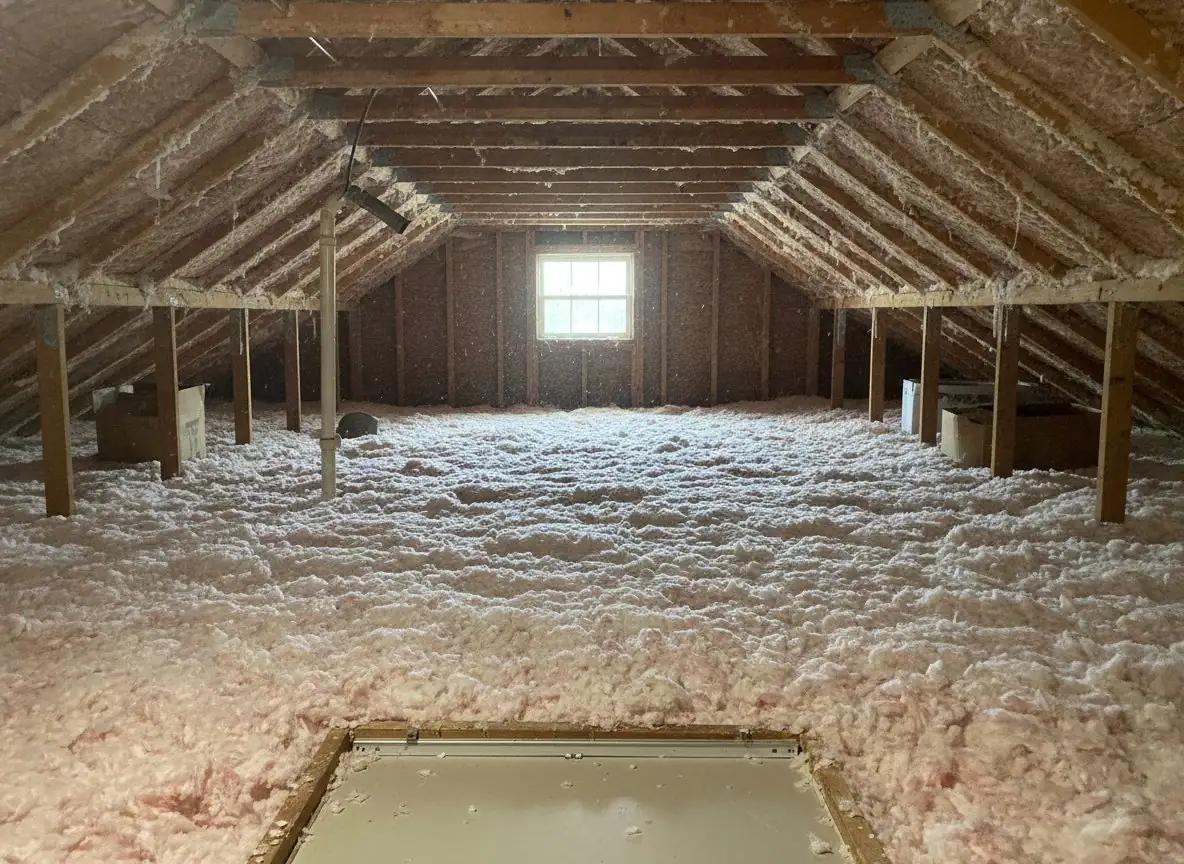
Understanding Crawl Space Encapsulation
Crawl space encapsulation is a comprehensive moisture-management system installed beneath your home’s floor structure. Unlike a simple plastic sheet laid on bare dirt — a practice common in homes built in Norwalk during the 1940s through the 1970s — full encapsulation involves a multi-layer approach: a 12-mil to 20-mil reinforced polyethylene vapor barrier adhered to the ground and sealed to foundation walls, closed-cell spray foam or rigid foam board insulation applied to rim joists and foundation walls, and often a dehumidifier or crawl space ventilation system to maintain relative humidity below 55 percent.
The concept of moisture control in subfloor spaces dates to mid-twentieth century building science, but modern encapsulation as a sealed, conditioned system gained widespread adoption after research from Building Science Corporation and the U.S. Department of Energy in the early 2000s demonstrated that vented crawl spaces in humid and semi-arid climates often introduce more moisture than they remove. California’s Title 24 energy code updates — most recently revised in 2022 — increasingly reflect this science by incentivizing sealed crawl space assemblies.
Read moreShow less
In Norwalk specifically, the residential building stock skews heavily toward single-family homes constructed between 1945 and 1975. Many of these properties feature raised wood-frame foundations with crawl spaces ranging from 18 inches to 36 inches in clearance height — just enough space for moisture to accumulate but often too tight for comfortable DIY inspection. Tract-home developments like those along Firestone Boulevard and Pioneer Boulevard were built rapidly during the postwar suburban boom, and original moisture barriers — where they exist at all — have long since degraded into brittle, perforated plastic.
Condominium complexes and multi-unit residential buildings in areas like the Studebaker Road corridor also present crawl space challenges, as shared foundation spaces can allow moisture migration from one unit’s subfloor to an adjacent neighbor’s living area. Understanding the building era and foundation type of your specific Norwalk property is the essential first step in determining the right encapsulation approach and accurately estimating project cost.
Learn more about our crawl space insulation services
Why Crawl Space Encapsulation Is Needed in Norwalk, CA
Clay Soils and the Expansive Soil Problem
Much of Norwalk’s subsurface geology consists of Montebello sandy loam and Whittier clay loam — soil types classified by the USDA Natural Resources Conservation Service as moderately to highly expansive. These soils absorb water during winter rains (Norwalk averages approximately 13.8 inches of rainfall annually, with 80 percent falling between November and March) and swell measurably — sometimes expanding by as much as 3 to 5 percent in volume. As soils dry in summer, they contract and crack. This seasonal cycle drives ground moisture directly into unencapsulated crawl spaces, elevating relative humidity readings to 70 percent or higher during wet months — well above the threshold at which mold colonies establish themselves on wood framing (typically 60 to 65 percent sustained humidity).
The Regional Marine Layer and Summer Humidity
Norwalk’s location approximately 18 miles from the Pacific coastline means the marine layer — the low coastal stratus cloud system — penetrates inland on a nightly basis from May through September. Morning relative humidity readings in Norwalk during this period routinely reach 80 to 90 percent between 6:00 a.m. and 9:00 a.m. before the marine layer burns off. For vented crawl spaces, this means hours of daily exposure to near-saturated air during what most residents consider the “dry season” — a counterintuitive moisture source that open vents actively funnel into the subfloor cavity.
The 2011 Norwalk Water Table Event and Ongoing Groundwater Concerns
In early 2011, unusually heavy La Niña precipitation events raised the local water table in parts of Southeast Los Angeles County, including portions of Norwalk near the San Gabriel River floodplain and low-lying areas south of the 5 Freeway. Several neighborhoods reported standing water beneath homes for the first time in decades. The Los Angeles County Department of Public Works documented elevated groundwater levels affecting properties within the Norwalk-South Whittier groundwater basin. Homes that experienced that event without encapsulation often still show residual evidence: white efflorescence staining on concrete piers, cupped hardwood flooring, and persistent musty odors that have never fully resolved.
Aging Infrastructure and Plumbing Vulnerabilities
Norwalk’s postwar housing stock frequently contains galvanized steel water supply lines and cast-iron drain lines that have exceeded their 50-to-70-year service life. Slow pinhole leaks and sweating pipes inside crawl spaces go undetected for months or years in unencapsulated spaces with poor visibility. Neighborhoods along Excelsior Drive and the Imperial Highway corridor have experienced repeated insurance claims related to subfloor plumbing failures, with moisture damage compounded by the absence of any vapor management system.
Pest Pressure: Subterranean Termites
Reticulitermes hesperus — the Western subterranean termite — is endemic throughout Los Angeles County and thrives in the moist, dark environment of an unencapsulated crawl space. The University of California Cooperative Extension estimates that subterranean termite activity affects up to 1 in 5 older homes in Southeast LA County at any given time. Encapsulation eliminates the high-moisture soil contact that sustains termite colonies and makes annual inspections dramatically more productive by providing clear visibility and access.
Explore our full crawl space encapsulation service
Free, no-obligation estimates
Talk to Bright Sky Attic Insulation
Tell us what you need and we’ll take it from there.
Signs You Need Crawl Space Encapsulation in Norwalk
Inside Your Home
- Musty or earthy odors that intensify on cold, foggy mornings or after rain
- Hardwood or laminate floors that feel soft, spongy, or show visible cupping or buckling
- Unexplained increases in heating and cooling costs — often 15 to 25 percent above baseline
- Condensation on first-floor windows and cold floors in winter months
- Allergy-like symptoms (sneezing, watery eyes, respiratory irritation) that improve when occupants leave the home
Inside the Crawl Space
- Visible mold or mildew on floor joists, subflooring, or existing vapor barrier remnants
- Degraded, torn, or incomplete existing plastic sheeting on the ground surface
- Standing water or damp soil patches after rainfall
- Efflorescence (white mineral deposits) on concrete foundation walls or piers
- Evidence of rodent nesting, termite mud tubes, or wood rot on structural members
Urgency Indicators
If you observe active standing water, extensive mold coverage exceeding 10 square feet, or structurally compromised joists or beams, treat these as emergency conditions requiring immediate professional evaluation. Delaying encapsulation in these scenarios risks progressing from a moisture problem to a structural remediation project — a cost difference that can exceed $20,000 in severe cases.
Our process
Our Crawl Space Encapsulation Process in Norwalk
Bright Sky Attic Insulation follows a systematic, proven process adapted specifically for Norwalk’s soil conditions, foundation types, and climate patterns. Here is what you can expect from our team:
- 01
Free On-Site Assessment (1–2 Hours)
Our technician performs a complete crawl space inspection, measuring moisture levels with a calibrated hygrometer, assessing existing insulation condition, identifying mold or pest activity, and photographing all problem areas. We check foundation clearance he
- 02
Debris Removal and Old Vapor Barrier Extraction (Half-Day to Full Day)
We remove all degraded insulation, deteriorated plastic sheeting, and debris accumulated on the crawl space floor. Old batt insulation hanging between joists — common in Norwalk homes that received partial upgrades in the 1990s — is bagged and removed per Cali
- 03
Mold Treatment and Wood Preparation (2–4 Hours)
Any mold-affected wood surfaces are treated with an EPA-registered antimicrobial agent formulated for porous wood substrates. We do not encapsulate over active mold — a critical distinction that some contractors skip to save time.
- 04
Ground Vapor Barrier Installation (Half-Day to Full Day)
We install a 12-mil to 20-mil reinforced polyethylene barrier across the entire crawl space floor, overlapping seams by a minimum of 12 inches and sealing overlaps with butyl tape. The barrier is mechanically fastened and sealed to foundation walls to a height
- 05
Foundation Wall and Rim Joist Insulation (Half-Day)
Closed-cell spray foam (R-6 per inch) or rigid foam board (R-10 to R-19) is applied to interior foundation walls and rim joists. This step is specifically calibrated to meet California Title 24 crawl space thermal performance requirements. Learn about our spra
- 06
Dehumidifier Installation and Vent Sealing (2–3 Hours)
Existing crawl space vents are sealed, and a properly sized Santa Fe or AprilAire crawl space dehumidifier is installed if warranted by moisture load calculations. We size units to the specific square footage and moisture risk level of each Norwalk property.
- 07
Final Inspection and Documentation (1 Hour)
We photograph the completed encapsulation, verify all seams and penetrations are sealed, record baseline humidity readings, and provide the homeowner with a complete project documentation package. Total project duration for an average 1,200-square-foot Norwalk
Crawl Space Encapsulation Methods and Approaches
Full Encapsulation with Conditioned Air Supply
The most comprehensive approach: vapor barrier on all surfaces, sealed vents, and a supply duct from the home’s HVAC system maintaining the crawl space as a semi-conditioned zone. Best suited for larger Norwalk homes (over 1,800 sq ft) with high moisture loads and forced-air HVAC systems. Cost is higher but energy savings are maximized.
Full Encapsulation with Dedicated Dehumidifier
The most common approach in Norwalk. Vapor barrier plus sealed vents plus a crawl space-rated dehumidifier that exhausts condensate via gravity drain or pump. Ideal for the majority of Norwalk’s 1,200-to-1,800-square-foot raised-foundation homes. Effective even without duct-connected HVAC.
Partial Encapsulation (Vapor Barrier Only)
Appropriate for newer Norwalk properties (post-1990) with sound existing insulation and documented low moisture readings (below 50% RH year-round). Ground barrier with sealed seams only — no vent sealing or dehumidifier. Lower cost entry point, but not suitable for properties near the San Gabriel River floodplain or those with prior water intrusion history.
Encapsulation with Drainage System Integration
For Norwalk properties in low-lying areas south of the 91 Freeway or near Coyote Creek, where seasonal water table rise is documented, we integrate a perimeter interior French drain or sump pump system prior to vapor barrier installation. This ensures water is redirected before it contacts the encapsulation membrane.
Combined Encapsulation and Insulation Replacement
Many Norwalk crawl spaces have failed fiberglass batt insulation between floor joists that has absorbed moisture and lost thermal value. We combine encapsulation with spray foam or blown-in insulation replacement in a single project mobilization. Learn about our blow-in insulation service
Learn moreCrawl Space Encapsulation Cost in Norwalk, CA
Understanding the true cost of crawl space encapsulation in Norwalk requires looking beyond square footage to the specific conditions of your property. Here are honest, current pricing ranges based on our project experience in Southeast Los Angeles County:
- Basic vapor barrier installation only: $1,500 – $3,500 for a 1,000–1,500 sq ft crawl space
- Full encapsulation (barrier + vent sealing + rim joist insulation): $3,500 – $7,000
- Full encapsulation with dehumidifier: $5,000 – $9,500
- Full encapsulation with drainage system (French drain or sump): $8,000 – $15,000+
- Mold remediation add-on: $500 – $3,000 depending on affected area
- Old insulation removal (prerequisite): $1.00 – $2.50 per sq ft
Read moreShow less
Factors That Affect Your Norwalk Project Cost
- Crawl space clearance height: Spaces under 18 inches require more labor time and specialty equipment
- Soil moisture level: Properties near Coyote Creek or the San Gabriel River floodplain often require thicker membranes
- Existing damage: Mold remediation, wood repair, or pest treatment add cost before encapsulation can begin
- Access point size: Many older Norwalk homes have access hatches under 24 inches — material handling is more time-intensive
- Permit requirements: Los Angeles County building department may require a permit for sealed crawl space systems with dehumidifiers; we handle permit coordination
Call (562) 573-5138 for a free, no-obligation assessment and itemized written estimate specific to your Norwalk property. We do not quote over the phone without a site visit — because we’ve seen too many Norwalk homeowners receive wildly inaccurate estimates that way.
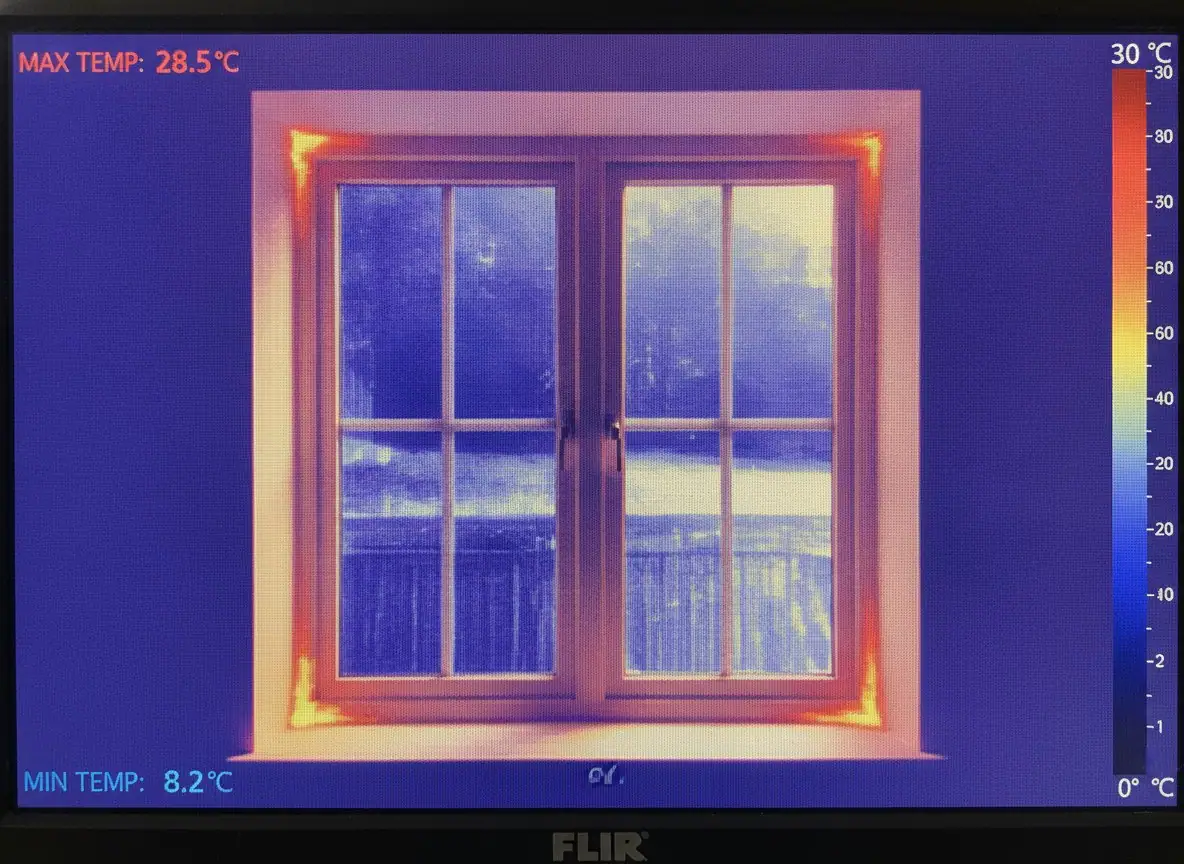
Neighborhoods in Norwalk We Serve
East Norwalk (Near Excelsior Drive and Rosecrans Avenue)
This neighborhood features dense tract development from the 1950s and early 1960s. Homes typically sit on raised wood-frame foundations with 18-to-24-inch crawl space clearances. Original crawl space vents are often blocked by landscaping or deteriorated grilles, creating stagnant, high-humidity zones beneath floors. We frequently encounter failed original vapor barriers and significant subfloor mold on Norwalk’s East Side properties.
Norwalk Civic Center Area (Near Pioneer Boulevard)
Mixed residential and commercial zoning with homes from multiple eras (1940s through 1980s). Properties here often have had additions or conversions that altered original foundation drainage patterns. Our team commonly encounters piecemeal previous moisture mitigation attempts — partial plastic sheeting, disconnected drain tiles — that require complete removal and system restart.
South Norwalk (Near Alondra Boulevard and Gridley Road)
Lower-elevation properties closer to Coyote Creek and within the documented Norwalk-South Whittier groundwater basin area. These homes carry the highest risk for seasonal groundwater elevation events. We recommend 20-mil vapor barriers and active drainage integration for virtually all encapsulation projects in South Norwalk.
We also serve all neighboring communities including Downey, Cerritos, and La Mirada.
Crawl Space Maintenance Tips for Norwalk Homeowners
- Inspect your crawl space access point twice per year — once in November before Norwalk’s rainy season begins and once in May as the marine layer season starts. Look for moisture on the vapor barrier surface, signs of pest intrusion, or dehumidifier indicator lights signaling full collection tanks.
- Maintain a relative humidity target of 45–55 percent inside the encapsulated space. A $25 digital hygrometer placed inside the crawl space lets you monitor this without crawling in each time.
- Keep exterior soil graded away from the foundation at a slope of at least 6 inches over 10 feet. Norwalk’s clay-heavy soils tend to settle and flatten over time, allowing rainwater to pool against the foundation.
- Clean gutters and downspouts each October before the rainy season. Overflow from blocked gutters is a leading source of crawl space water intrusion in Norwalk’s tree-lined residential streets.
- Service your crawl space dehumidifier annually — clean the filter, check condensate drain lines, and verify the unit is cycling properly.
- Do not store items in an encapsulated crawl space without consulting your contractor. Cardboard boxes and fabric items absorb moisture and can compromise interior humidity levels.
- After any significant rainfall event (Norwalk occasionally receives 1-inch-per-hour intensities during atmospheric river events), do a visual check of the vapor barrier for pooling or tears within 24 hours.
Why Choose Bright Sky Attic Insulation for Crawl Space Encapsulation in Norwalk
Bright Sky Attic Insulation is a locally operated insulation and crawl space specialist serving Norwalk and the broader Southeast Los Angeles County region. Our technicians work in Norwalk crawl spaces regularly — we know the soil conditions along the San Gabriel River corridor, we know the standard foundation configurations in East Norwalk’s postwar tracts, and we know the seasonal moisture patterns driven by the coastal marine layer.
We offer free, no-pressure on-site assessments with itemized written estimates so you know exactly what you are paying for before any work begins. Our encapsulation systems use commercial-grade materials — 12-mil to 20-mil reinforced barriers, closed-cell spray foam, and Energy Star-rated dehumidifiers — not the lightweight sheeting that some contractors use to offer artificially low bids.
Read moreShow less
Beyond crawl space encapsulation, our team provides the full range of home insulation services Norwalk homeowners need: attic insulation, spray foam insulation, insulation removal, and insulation replacement. Handling your project with one trusted contractor means consistent quality and a single point of accountability from start to finish.
Call us at (562) 573-5138 — we answer calls directly, not through a call center.
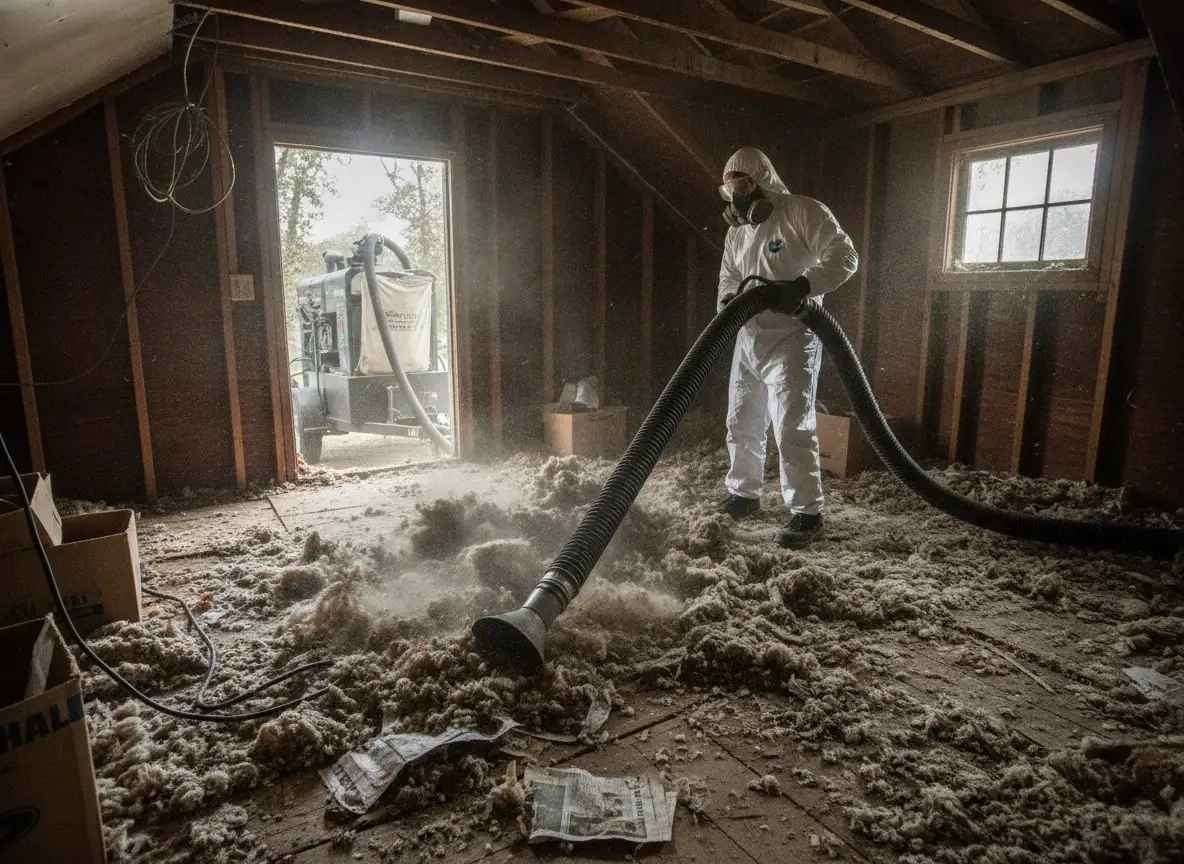
FAQ
Frequently Asked Questions: Crawl Space Encapsulation Cost in Norwalk
How much does crawl space encapsulation typically cost in Norwalk, CA?
For most Norwalk homes with crawl spaces between 800 and 1,500 square feet, full encapsulation including vapor barrier, sealed vents, rim joist insulation, and a dehumidifier runs between $5,000 and $9,500. Basic vapor barrier-only projects start around $1,500. Properties with mold, drainage issues, or very low clearance heights will be at the higher end of these ranges. We provide free written estimates after an on-site assessment.
Does my Norwalk home need a permit for crawl space encapsulation?
Los Angeles County building codes may require a permit for sealed crawl space systems that include mechanical components such as dehumidifiers or supply air connections. Vapor barrier replacement alone typically does not require a permit. We advise clients on permit requirements specific to their project and handle permit coordination when required.
How long does crawl space encapsulation take in Norwalk?
A standard project on a 1,000-to-1,500-square-foot Norwalk crawl space takes one to two days. Projects requiring mold remediation, drainage installation, or extensive debris removal may take three to four days. We provide a specific timeline in your written estimate.
Will encapsulation help with the musty smell in my Norwalk home?
Yes — in the vast majority of cases, musty odors in Norwalk homes are caused by elevated humidity and mold growth in the crawl space transferring through the floor assembly into living areas. Once moisture is controlled through encapsulation and mold is treated, odors typically resolve within two to four weeks as the space dries to target humidity levels.
Is crawl space encapsulation worth it in Norwalk’s climate?
For Norwalk’s raised-foundation homes, the return on investment is well-documented. Homeowners typically report 10 to 20 percent reductions in heating and cooling costs, elimination of moisture-related floor damage, and improved indoor air quality. When factoring in the cost of treating mold, replacing damaged flooring, or repairing termite damage — all consequences of an unencapsulated crawl space — encapsulation is almost always the lower-cost path over a ten-year ownership window.
Can I encapsulate my Norwalk crawl space myself?
Basic vapor barrier installation is technically a DIY task, but achieving a code-compliant, fully sealed system with proper vent sealing, rim joist insulation, and dehumidifier sizing requires professional expertise. In Norwalk’s marine-influenced climate, an improperly sealed system can actually trap moisture inside the crawl space and accelerate damage. We advise professional installation for all full encapsulation projects.
How does the San Gabriel River floodplain affect my crawl space encapsulation needs?
Properties in the Norwalk zip codes closest to the San Gabriel River corridor (parts of 90650 and 90652) sit within or adjacent to FEMA-designated flood zones and documented groundwater elevation areas. These properties require heavier vapor barriers (20-mil minimum), and we evaluate each site for potential sump pump or interior French drain integration before encapsulation. If your property has experienced even minor water intrusion after heavy rain, please disclose this during your assessment so we can design the right system.
Does Bright Sky Attic Insulation serve areas outside of Norwalk?
Yes. We serve communities throughout Southeast Los Angeles County and Northern Orange County including Downey, Bellflower, Cerritos, Lakewood, La Mirada, Paramount, Santa Fe Springs, Whittier, Montebello, Commerce, Pico Rivera, Artesia, Buena Park, La Habra, and surrounding communities. Call (562) 573-5138 to confirm service availability for your address.
Get Your Free Crawl Space Encapsulation Estimate in Norwalk Today
Don’t let Norwalk’s marine humidity, expansive clay soils, and aging infrastructure silently damage your home’s foundation and air quality. Bright Sky Attic Insulation is ready to provide a thorough, honest assessment of your crawl space and a transparent, itemized cost estimate — at no charge and with no sales pressure.
Call us now at (562) 573-5138 to schedule your free on-site assessment. We serve Norwalk and all surrounding communities six days a week and provide same-week appointments for urgent moisture situations. Our team is local, our pricing is fair, and our work is built to last in Norwalk’s specific climate and soil conditions.
Schedule Your Free Crawl Space Assessment Today
Get in touch
Find insulation help near you
Request a free estimate online or give us a call — our team will follow up quickly.
- Call us(562) 573-5138
- Visit14020 Pioneer Blvd K, Norwalk, CA 90650
- HoursMon-Sun 07:00-19:00