
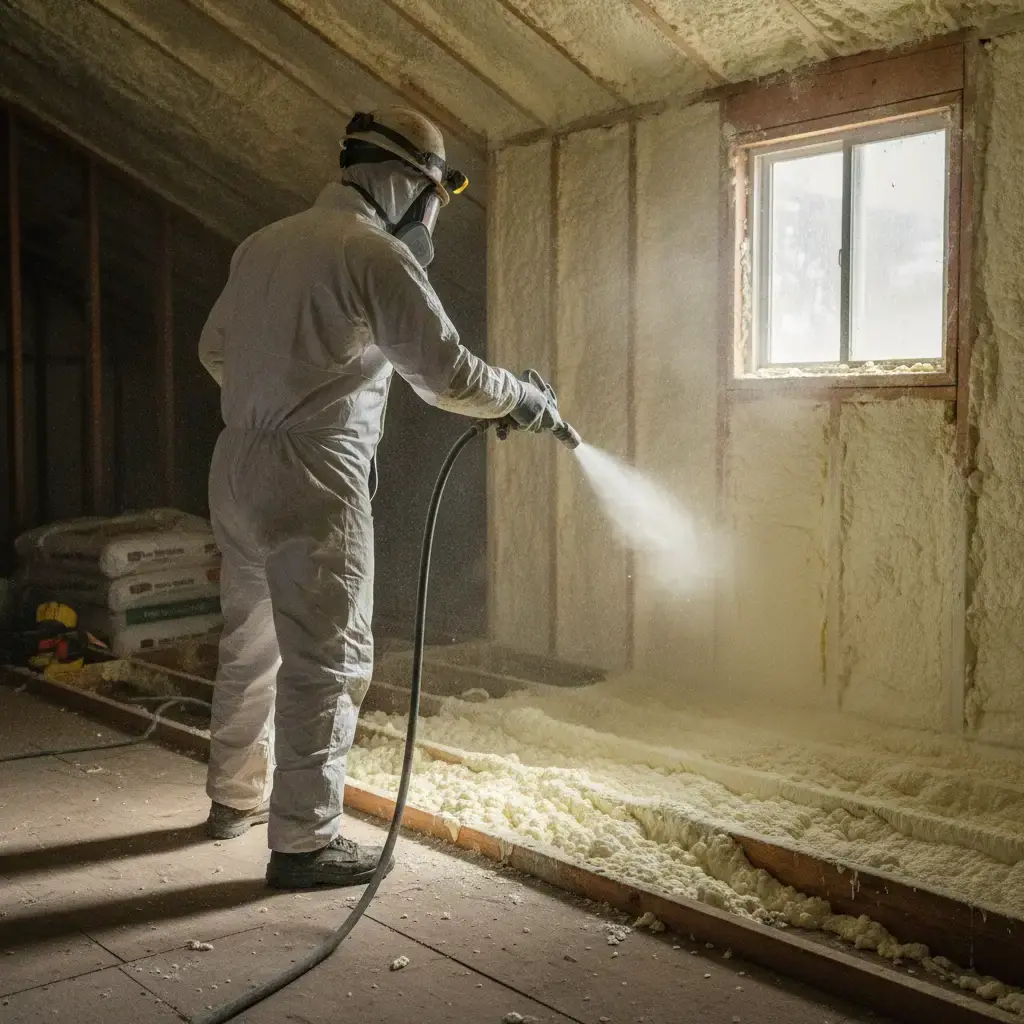
Floor Insulation in Norwalk, CA
Energy-Saving Floor Insulation for Norwalk, CA Homes — Licensed & Insured
Need floor insulation in Norwalk, CA? Bright Sky Attic Insulation offers expert installation, spray foam & crawl space solutions. Free estimate: (562) 573-5138.
Floor insulation is the process of installing thermal and acoustic barrier materials beneath your home’s floors — between living spaces and unconditioned areas like crawl spaces, garages, or exterior environments — to reduce heat transfer, control moisture, and improve indoor comfort year-round. For homeowners in Norwalk, CA, floor insulation is particularly critical due to the region’s unique combination of warm, dry summers and cool, occasionally damp winters, along with the prevalence of older post-and-pier construction throughout the city’s established residential neighborhoods.
At Bright Sky Attic Insulation, we specialize in delivering professional floor insulation solutions tailored specifically to the building stock, climate patterns, and soil conditions found throughout Norwalk and the surrounding Southeast Los Angeles County communities. Whether you’re dealing with cold floors in winter, rising energy bills, or moisture intrusion from below, our team brings the local knowledge and technical expertise needed to solve the problem correctly the first time. Call us today at (562) 573-5138 to schedule your free assessment.
Understanding Floor Insulation
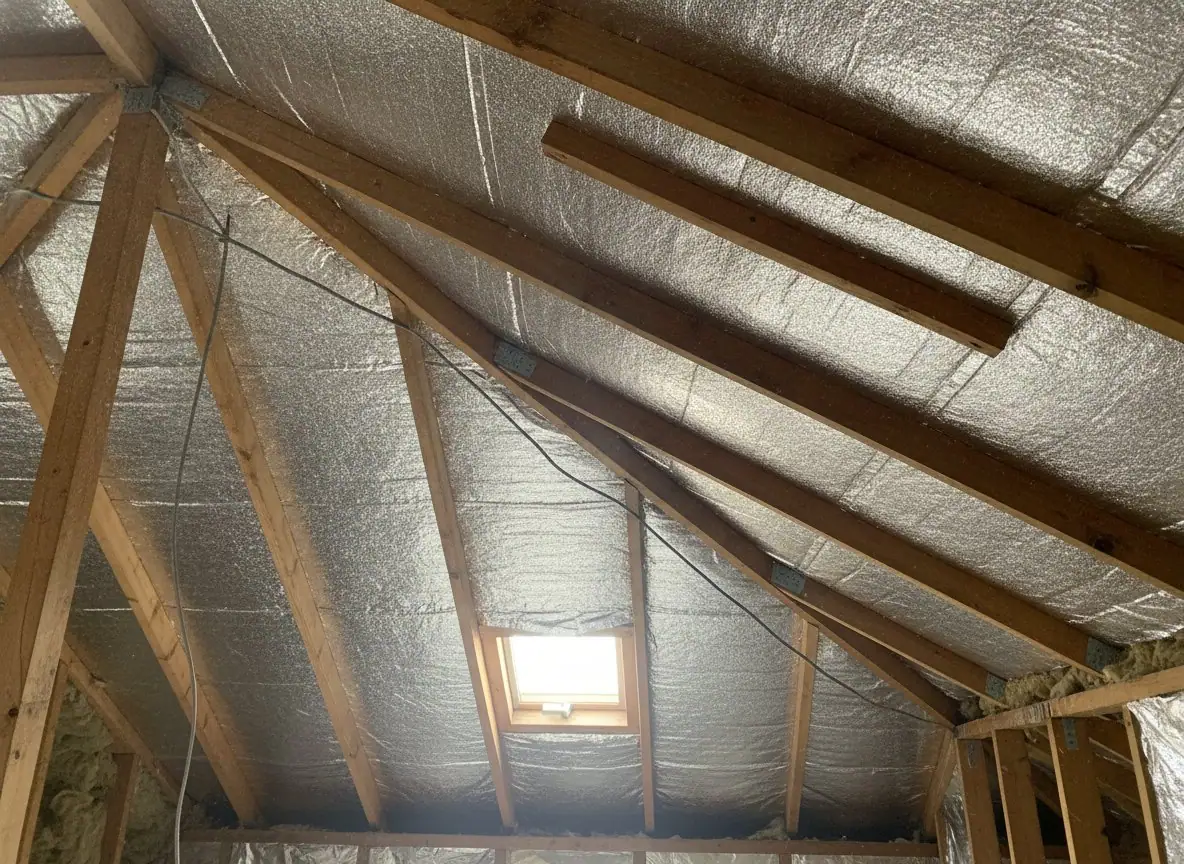
Floor insulation refers to a category of building envelope improvements focused specifically on the thermal boundary between conditioned living spaces and unconditioned or semi-conditioned areas below. Unlike attic insulation — which addresses heat gain and loss through the roof — floor insulation targets conductive heat transfer through your home’s subfloor assembly, which can account for 10% to 20% of total home energy loss when left unaddressed.
The concept of insulating floors dates back to early 20th-century construction practices, but modern floor insulation methods have advanced dramatically. Contemporary materials such as spray polyurethane foam (SPF), rigid foam board, fiberglass batt, and blown-in cellulose offer R-values ranging from R-13 to R-60+, depending on the application and depth. California’s Title 24 Building Energy Efficiency Standards currently recommend a minimum of R-19 for floors over unconditioned spaces in Climate Zone 9 — the zone that covers Norwalk and most of Southeast Los Angeles County.
Read moreShow less
In Norwalk specifically, floor insulation is a widespread need rather than a luxury upgrade. The city developed rapidly between the 1940s and 1970s, and the bulk of its approximately 27,000 housing units were built during this era. Homes constructed before 1980 almost universally lack adequate floor insulation, as building codes of the time imposed no meaningful thermal requirements for subfloor assemblies. Residential construction in Norwalk during this period favored raised-foundation (post-and-pier or concrete perimeter) designs, which leave crawl spaces exposed to outdoor air and ground moisture — making floor insulation not just beneficial but functionally necessary.
Single-family homes on streets like Firestone Boulevard, Imperial Highway, and Pioneer Boulevard, as well as the dense residential tracts east of Norwalk Boulevard, represent the core of properties that can benefit most from updated floor insulation. Additionally, multi-unit properties and commercial buildings constructed before California’s energy code overhauls in the 1990s are frequently discovered to have little to no floor insulation upon inspection.
Understanding which type of floor insulation is right for your home requires evaluating your crawl space height, existing moisture levels, structural configuration, and current R-value — all factors our team assesses during every initial inspection.
Why Floor Insulation Is Needed in Norwalk, CA
Norwalk’s Climate Zone 9 Conditions
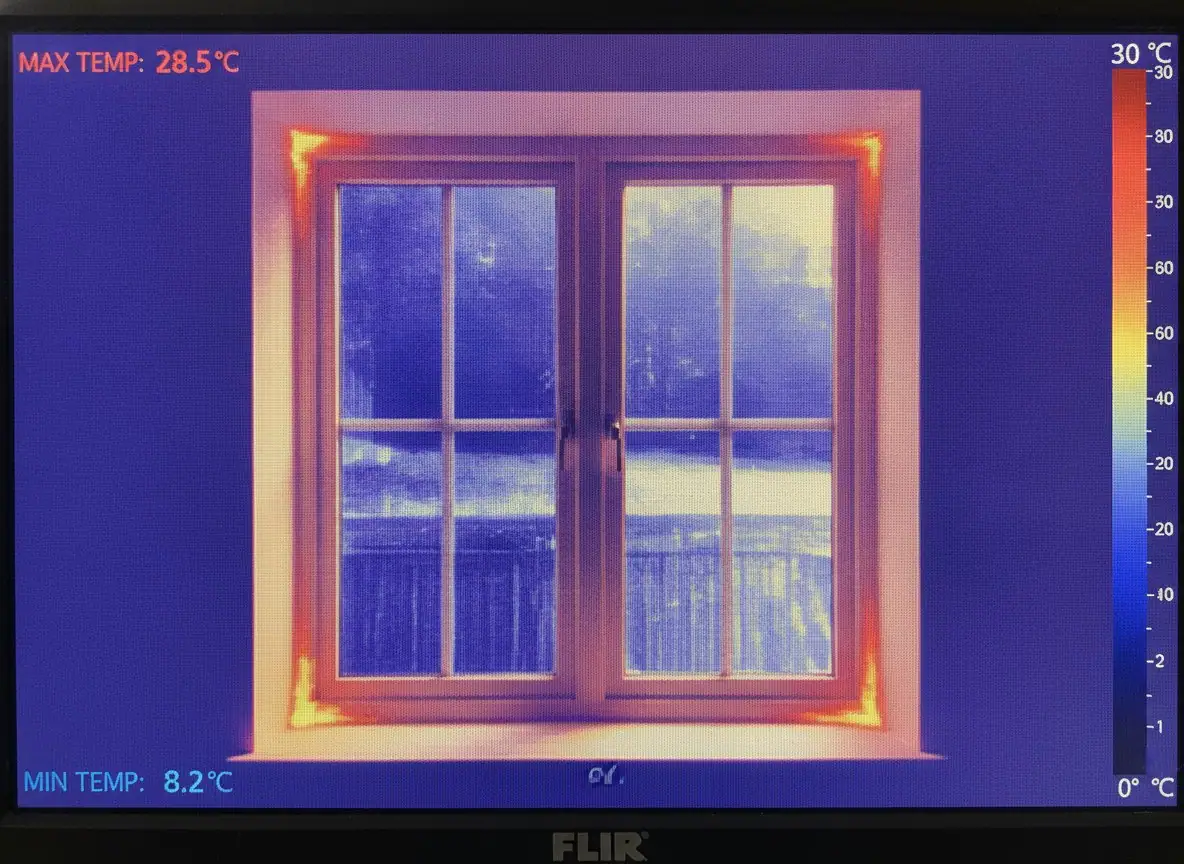
Norwalk sits in ASHRAE Climate Zone 9 and California Building Code Climate Zone 9 — a classification characterized by hot, dry summers with temperatures regularly reaching 95°F to 100°F between June and September, and cool, occasionally wet winters with nighttime temperatures dropping to the mid-40s°F from December through February. This temperature swing of 50°F or more between seasonal extremes places significant stress on uninsulated floors. Without adequate R-value below the subfloor, summer heat radiating from sun-baked soil and concrete foundations transfers directly into living spaces, while winter cold from unconditioned crawl spaces chills floors to uncomfortably low temperatures — sometimes 15°F to 20°F cooler than the room air above.
The Norwalk-Bellflower Groundwater Basin and Moisture Intrusion
Norwalk overlies a portion of the Central Basin of the Los Angeles Groundwater Basin, a system that has experienced significant fluctuation in water table levels due to decades of groundwater pumping, periods of heavy recharge, and managed aquifer programs administered by the Water Replenishment District of Southern California. Seasonal precipitation events — including the significant El Niño rainfall winters of 2015–2016 (which brought over 21 inches of rain to the broader LA area) and 2022–2023 — can temporarily elevate shallow groundwater levels and increase soil moisture content beneath homes in lower-elevation areas of Norwalk, particularly in neighborhoods near the San Gabriel River corridor to the east and near the Coyote Creek channel to the west. This moisture migrates upward through soil and into crawl spaces, where it contacts uninsulated or poorly insulated subfloors, promoting mold growth, wood rot, and indoor humidity problems that compromise air quality and structural integrity.
Older Housing Stock and Missing Insulation
The majority of Norwalk’s residential neighborhoods — including the Studebaker Road corridor, the area surrounding Norwalk High School, the tracts adjacent to Carmenita Road, and the post-war developments near Rosecrans Avenue — were developed between 1945 and 1975. Homes built during this era were constructed under building codes that imposed no floor insulation requirements. A 2019 statewide survey by the California Energy Commission estimated that approximately 40% of pre-1980 California homes with crawl spaces had either no floor insulation or insulation performing at less than R-11 — well below the current Title 24 minimum of R-19 for this climate zone. Norwalk’s housing demographics mirror this statewide pattern closely.
Seismic Retrofit Activity Exposing Crawl Spaces
Following the 1994 Northridge Earthquake — which caused documented damage to numerous Norwalk residential structures — many homeowners undertook mandatory or voluntary cripple-wall bracing and foundation bolting programs. This retrofit activity frequently opened up crawl spaces for the first time in decades, revealing deteriorated or absent floor insulation. The Los Angeles County Retrofit Program and subsequent voluntary incentive programs brought renewed attention to crawl space conditions throughout Norwalk, creating a secondary wave of demand for floor insulation services that continues today as homeowners address deferred maintenance in these spaces.
Energy Cost Pressures from Southern California Edison Rates
Norwalk residents are served primarily by Southern California Edison (SCE), whose residential electricity rates have risen substantially over the past decade. As of 2024, SCE’s tiered baseline rates range from approximately $0.28 to $0.45 per kWh — among the highest in the nation. Uninsulated floors directly increase HVAC runtime, particularly for central air systems cooling homes from below-grade heat sources in summer. Properly installed floor insulation at R-19 to R-30 can reduce HVAC energy consumption by 8% to 15% annually in homes with crawl spaces, representing meaningful savings for Norwalk households managing high utility costs.
Free, no-obligation estimates
Talk to Bright Sky Attic Insulation
Tell us what you need and we’ll take it from there.
Signs You Need Floor Insulation in Norwalk
Comfort and Temperature Symptoms
- Floors feel noticeably cold (more than 5°F–8°F cooler than room air) during winter mornings, especially in December through February when Norwalk overnight temps dip below 45°F
- Rooms above crawl spaces are consistently harder to heat or cool than the rest of the home
- Drafts or air movement noticeable at floor level despite sealed windows and doors
- Hot floors in summer months in ground-floor rooms
Energy and Utility Warning Signs
- Unexplained increases in monthly SCE electricity bills, particularly during June–September cooling season
- HVAC system running longer cycles than normal without achieving thermostat setpoint
- Significant temperature differences (more than 10°F) between upstairs and ground-floor rooms
Moisture and Structural Indicators
- Musty or earthy odors rising from floors, particularly after winter rain events
- Visible mold or efflorescence on subfloor joists or crawl space surfaces
- Soft spots, squeaking, or slight flex when walking across certain floor areas
- Existing insulation that is sagging, falling, or visibly darkened from moisture absorption
Urgency Indicators
Musty odors combined with visible mold or deteriorating wood constitute an urgent situation requiring immediate professional assessment. Delays increase the risk of structural wood damage and indoor air quality problems that can affect occupant health.
Our process
Our Floor Insulation Process in Norwalk, CA
Every floor insulation project we undertake in Norwalk follows a structured, transparent process designed to deliver lasting results while minimizing disruption to your household.
- 01
Free On-Site Inspection and Assessment (1–2 Hours)
Our technician visits your Norwalk home and conducts a thorough crawl space entry and evaluation. We measure existing R-values, assess crawl space height (many Norwalk homes have 18-inch to 36-inch clearances), document moisture levels using a calibrated hygro
- 02
Moisture and Air Sealing Assessment (Included in Inspection)
Because Norwalk’s proximity to the San Gabriel River corridor and seasonal rainfall elevates crawl space humidity risk, we specifically assess vapor barrier status and air sealing needs as part of every inspection. We determine whether crawl space encapsulatio
- 03
Detailed Written Estimate and Material Specification (Same Day or Within 24 Hours)
You receive a clear, itemized written estimate specifying materials, R-value to be achieved, square footage, and total cost — with no hidden fees. We explain how our recommendation meets or exceeds California Title 24 Climate Zone 9 requirements.
- 04
Preparatory Work — Removal and Air Sealing (Half Day to Full Day)
If existing insulation is damaged or inadequate, we remove it and properly dispose of materials. We then air-seal penetrations, gaps around pipes, and rim joists — which are significant sources of air infiltration in Norwalk’s older wood-frame construction.
- 05
Insulation Installation (Half Day to Full Day for Most Homes)
New insulation is installed to specified R-value using the method selected during assessment. Our crews are experienced working in the low-clearance crawl spaces common in Norwalk’s 1950s–1970s era homes.
- 06
Vapor Barrier and Encapsulation (If Required — Additional Half Day)
Where moisture conditions warrant, we install a 6-mil to 20-mil polyethylene vapor barrier across the crawl space floor, sealed at seams and perimeter, to prevent ground moisture from contacting insulation and structural members.
- 07
Final Inspection and Documentation (30–60 Minutes)
We walk you through completed work, provide photos of the finished crawl space, and confirm that achieved R-values meet California’s Title 24 Zone 9 minimums. You receive a project completion summary for your records.
Floor Insulation Methods We Use in Norwalk
Fiberglass Batt Insulation (R-13 to R-21)
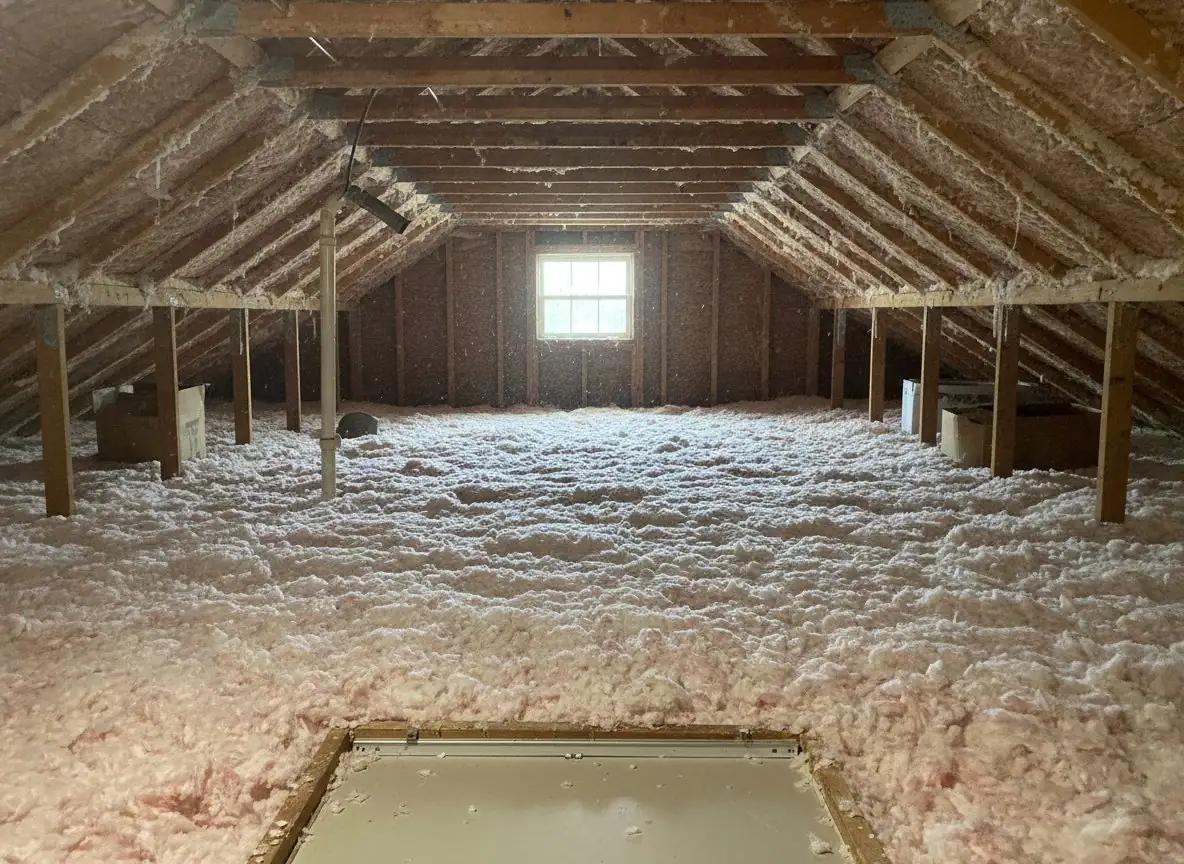
Fiberglass batts are the most widely used floor insulation method in Norwalk’s existing housing stock. Batts are cut to fit between floor joists and secured with wire supports or insulation hangers. This method is cost-effective and appropriate for crawl spaces with adequate height (typically 18 inches or more) and low to moderate moisture levels. Best suited for 1950s–1970s Norwalk homes with standard 16-inch or 24-inch on-center joist spacing.
Learn moreSpray Foam Insulation — Closed-Cell (R-6 to R-7 per Inch)
Closed-cell spray polyurethane foam applied directly to the underside of the subfloor provides superior air sealing alongside insulation value. This method is ideal for Norwalk homes with tight crawl space clearances (under 18 inches), homes near moisture-prone areas such as the Coyote Creek corridor, and any application where both thermal performance and moisture vapor control are priorities. Learn more about our spray foam insulation services
Learn moreBlown-In Insulation (R-13 to R-30+)
Blown-in cellulose or fiberglass can be used in certain floor applications where a net or barrier is installed beneath joists to contain loose fill. This method achieves higher R-values efficiently and is particularly useful for irregular joist spacing found in some older Norwalk homes. Explore our blow-in insulation options
Rigid Foam Board (R-10 to R-20)
Polyisocyanurate or EPS rigid foam boards installed against foundation walls or rim joists complement subfloor insulation and help address thermal bridging at the crawl space perimeter — a common weak point in Norwalk’s concrete perimeter foundation homes.
Floor Insulation Cost in Norwalk, CA
Understanding the investment required for floor insulation helps Norwalk homeowners plan effectively. Costs vary based on method, square footage, existing conditions, and crawl space accessibility.
Typical Cost Ranges
- Fiberglass batt floor insulation: $1.50–$3.50 per square foot installed, or approximately $1,500–$4,500 for a typical 1,200–1,800 sq ft Norwalk ranch-style home
- Closed-cell spray foam floor insulation: $3.00–$7.00 per square foot installed, or approximately $3,500–$9,000 for the same home footprint
- Blown-in floor insulation: $2.00–$4.00 per square foot installed
- Crawl space vapor barrier addition: $1,000–$3,500 depending on size and mil thickness
- Old insulation removal (if needed): $1.00–$2.00 per square foot
Read moreShow less
Factors That Affect Your Norwalk Project Cost
- Crawl space clearance height — many Norwalk homes have 18–24 inch clearances that require hand-installation, increasing labor time
- Existing insulation condition and whether removal is needed
- Presence of moisture, mold, or pest damage requiring remediation before installation
- Total square footage and number of crawl space access points
- Target R-value and selected insulation method
Norwalk-Specific Pricing Notes
Los Angeles County labor rates and material supply chain factors from regional distributors influence local pricing. California’s Title 24 compliance requirements may also add scope to projects, as homes must meet R-19 minimum to pass inspection. Available rebates through Southern California Edison’s Energy Efficiency programs may offset a portion of costs — ask our team about current incentive programs when you call.
Call (562) 573-5138 for a free, no-obligation estimate specific to your Norwalk home.
Neighborhoods We Serve in Norwalk, CA
South Norwalk (Near Rosecrans Avenue)
Dominated by post-war tract homes built between 1950 and 1965, South Norwalk properties frequently feature original crawl spaces with no vapor barrier and deteriorated or absent fiberglass insulation. Proximity to lower-elevation terrain increases seasonal moisture exposure. Most homes here benefit significantly from combined floor insulation and vapor barrier installation.
East Norwalk (Near Studebaker Road and the San Gabriel River)
The eastern edge of Norwalk, adjacent to the San Gabriel River greenway, sees elevated groundwater influence after significant rain events. Homes in this area built in the 1960s–1970s are particularly prone to crawl space moisture issues that compromise existing insulation. Closed-cell spray foam is frequently the preferred solution for this zone.
Central Norwalk (Norwalk Boulevard Corridor)
The mixed residential and light commercial strip along Norwalk Boulevard encompasses homes from multiple eras — including some of Norwalk’s oldest residential properties dating to the 1930s and 1940s. These older homes often have irregular joist spacing and partial-height foundations that require custom installation approaches.
We also serve Pico Rivera, Bellflower, Artesia, Cerritos, Downey, La Mirada, Lakewood, and surrounding communities. View all service areas
Floor Insulation Maintenance Tips for Norwalk Homeowners
Protecting your floor insulation investment requires periodic attention, especially given Norwalk’s climate and housing characteristics.
- Inspect crawl space annually: Enter or have a professional enter your crawl space each fall before Norwalk’s rainy season (November–March) to check for moisture accumulation, sagging insulation, or pest activity.
- Check vapor barrier integrity: Look for tears, gaps, or standing water on the vapor barrier after significant rainfall events, particularly in East Norwalk and South Norwalk low-lying areas.
- Monitor indoor humidity: Use a hygrometer to track indoor relative humidity. Readings consistently above 60% may indicate moisture intrusion from below requiring crawl space attention.
- Keep crawl space vents clear: Ensure foundation vents are unobstructed by vegetation, debris, or soil to maintain passive ventilation where applicable.
- Inspect for pest entry points: Rodents and termites — both active in the Norwalk area — can destroy floor insulation quickly. Seal any gaps in the foundation perimeter and check batt insulation for nesting damage annually.
- Watch for musty odors after rain: A musty smell following Norwalk’s winter rains is an early warning of moisture entering the crawl space before visible damage occurs.
- Recheck R-value every 10–15 years: Fiberglass batts can compress and lose up to 20% of their rated R-value over time, particularly in humid conditions.
Why Choose Bright Sky Attic Insulation for Floor Insulation in Norwalk
Bright Sky Attic Insulation is a locally focused insulation contractor serving Norwalk and the surrounding Southeast Los Angeles County communities. Our team works in the specific building types, crawl space configurations, and climate conditions that define Norwalk’s residential landscape every day — giving us practical, hands-on expertise that generalist contractors simply cannot match.
We understand the difference between a 1952 post-and-pier home on Carmenita Road and a 1975 slab-on-grade property near Imperial Highway. That local knowledge shapes every recommendation we make, ensuring you receive the right solution for your specific home rather than a one-size-fits-all approach.
Our services extend across the full spectrum of insulation needs: from floor insulation and attic insulation to crawl space encapsulation and insulation removal. We also serve neighboring communities including Downey, Bellflower, Lakewood, Cerritos, and La Mirada, bringing the same Norwalk-calibrated expertise to every project.
Call us at (562) 573-5138 to speak with a local insulation specialist today.
FAQ
Frequently Asked Questions About Floor Insulation in Norwalk, CA
How much does floor insulation cost in Norwalk, CA?
Floor insulation costs in Norwalk typically range from $1.50 to $7.00 per square foot installed, depending on the insulation method chosen. A standard 1,200–1,800 sq ft Norwalk ranch home with a crawl space will usually see total project costs between $1,500 and $9,000, with fiberglass batt installations at the lower end and closed-cell spray foam at the higher end. Factors such as crawl space clearance, the need for old insulation removal, and moisture remediation requirements affect final pricing. Call (562) 573-5138 for a free, property-specific estimate.
Does Norwalk’s climate really make floor insulation necessary?
Yes. Norwalk’s Climate Zone 9 classification means homes experience both significant summer heat (95°F–100°F highs) and winter cold (mid-40s°F nighttime lows). Without adequate floor insulation at R-19 or above, homes lose meaningful amounts of conditioned air through the subfloor, increasing HVAC energy consumption and reducing comfort. California’s Title 24 code requires R-19 minimum for floors over unconditioned crawl spaces in this climate zone.
How long does floor insulation installation take in a typical Norwalk home?
Most Norwalk single-family homes can have floor insulation installed in one to two days. This includes any necessary old insulation removal (half day), air sealing (a few hours), and new insulation installation (half day to full day). If crawl space encapsulation with a vapor barrier is also needed, add an additional half to full day. We will provide a specific timeline during your free estimate.
My Norwalk home was built in the 1960s. Do I definitely need new floor insulation?
Very likely, yes. Homes built in Norwalk before 1978 were constructed under building codes with no meaningful floor insulation requirements. Even if some insulation was added later, it is frequently below California’s current R-19 minimum, sagging, pest-damaged, or moisture-compromised. A free inspection will confirm the exact condition and R-value of your existing insulation.
What is the difference between floor insulation and crawl space encapsulation?
Floor insulation refers specifically to thermal materials installed between your floor joists to reduce heat transfer. Crawl space encapsulation involves sealing the entire crawl space — including walls, floor, and vents — with vapor barriers and sometimes rigid insulation to create a conditioned or semi-conditioned space. In Norwalk homes near moisture-prone areas, both services are often recommended together. Learn more about crawl space encapsulation
Can floor insulation help with the musty smell in my Norwalk home after it rains?
Floor insulation alone may not eliminate a musty odor caused by crawl space moisture — the moisture source must be addressed first. However, a combined approach of moisture remediation, vapor barrier installation, and quality floor insulation can resolve the root cause. Our inspection will determine whether moisture or mold in the crawl space is the source of odors in your home.
Are there rebates or incentives available for floor insulation in Norwalk?
Southern California Edison periodically offers energy efficiency rebates for qualifying insulation improvements in their service territory, which covers most of Norwalk. The California Energy Upgrade CA program has also historically offered rebates for whole-home efficiency improvements that include floor insulation. Availability and amounts vary — ask our team about current programs when you call for your estimate.
Do you offer floor insulation services in cities near Norwalk?
Yes. In addition to Norwalk, we serve Downey, Bellflower, Lakewood, Cerritos, Artesia, La Mirada, Pico Rivera, Santa Fe Springs, Paramount, Montebello, Whittier, South Whittier, East Whittier, Commerce, Buena Park, and La Habra. View our complete service area
Get Your Free Floor Insulation Estimate in Norwalk, CA Today
If your Norwalk home has a crawl space, cold floors, rising energy bills, or musty odors after winter rains, the solution may be as straightforward as properly installed floor insulation. Bright Sky Attic Insulation is ready to inspect your home, identify exactly what’s needed, and provide a clear, honest estimate with no pressure and no surprises.
We serve all of Norwalk — from South Norwalk near Rosecrans Avenue to East Norwalk along the Studebaker Road corridor — as well as Downey, Bellflower, Lakewood, Cerritos, and the broader Southeast Los Angeles County area.
Call us now at (562) 573-5138 to schedule your free on-site inspection and take the first step toward a more comfortable, energy-efficient Norwalk home.
Get in touch
Find insulation help near you
Request a free estimate online or give us a call — our team will follow up quickly.
- Call us(562) 573-5138
- Visit14020 Pioneer Blvd K, Norwalk, CA 90650
- HoursMon-Sun 07:00-19:00