
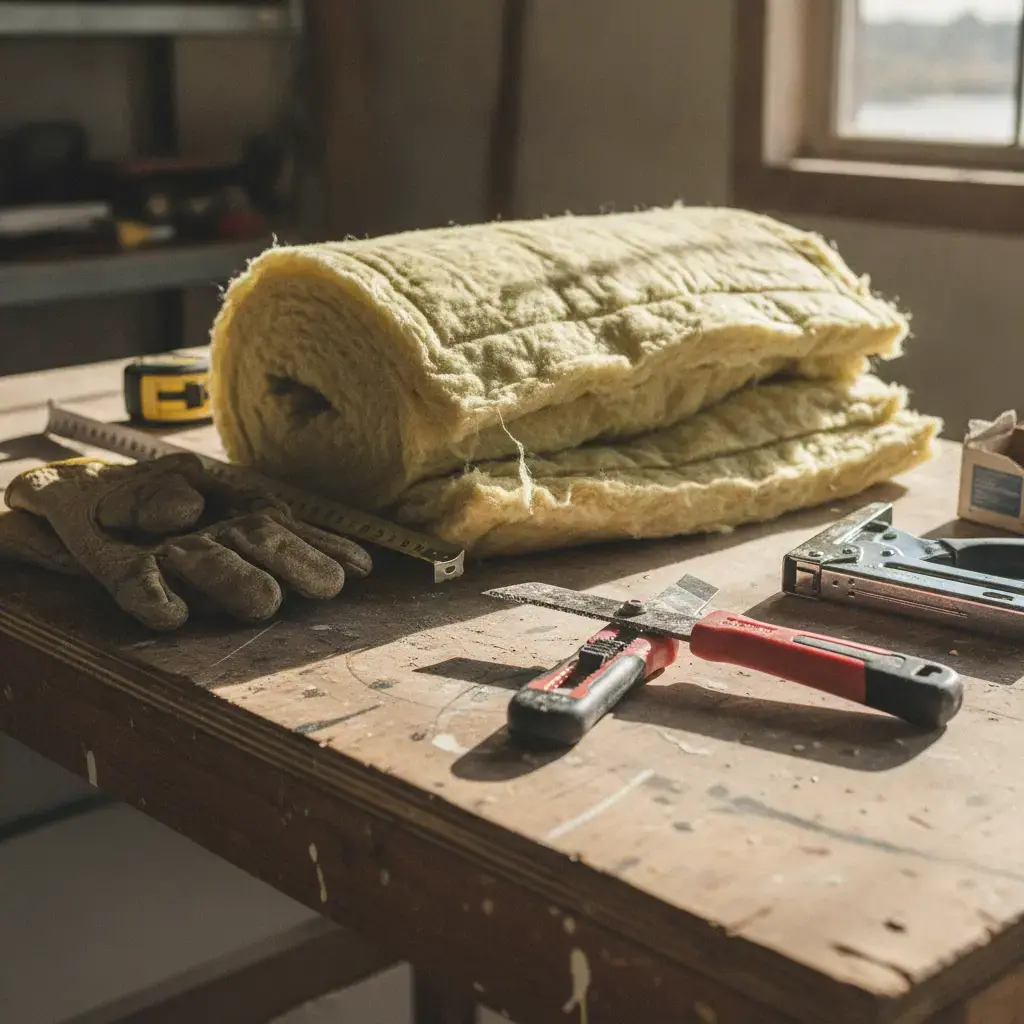
Cellulose Insulation in Norwalk, CA
Energy-Saving Cellulose Insulation for Norwalk, CA Homes — Licensed & Insured
Need cellulose insulation in Norwalk, CA? Bright Sky Attic Insulation offers expert blown-in & dense-pack cellulose. Free estimates. Call (562) 573-5138 today!
Cellulose insulation is one of the most effective, eco-friendly, and cost-efficient ways to regulate your home’s temperature, reduce energy bills, and improve indoor comfort. Made primarily from recycled paper products treated with fire-retardant chemicals, cellulose insulation is blown or packed into attic spaces, walls, and floors to create a dense thermal barrier that keeps conditioned air where it belongs.
In Norwalk, CA — a dense residential city in the southeastern San Gabriel Valley — homes face unique climate pressures including intense summer heat, marine-influenced humidity, and aging building stock that was never designed to meet today’s energy efficiency standards. Bright Sky Attic Insulation specializes in cellulose insulation services tailored specifically to the housing types, climate conditions, and energy challenges found throughout Norwalk and its surrounding communities.
Read moreShow less
Whether you own a post-war ranch-style home near Norwalk’s historic town center or a multi-unit property along Pioneer Boulevard, our team provides expert installation, removal, and replacement services designed to maximize performance and long-term savings. Call us today at (562) 573-5138 to schedule your free assessment.
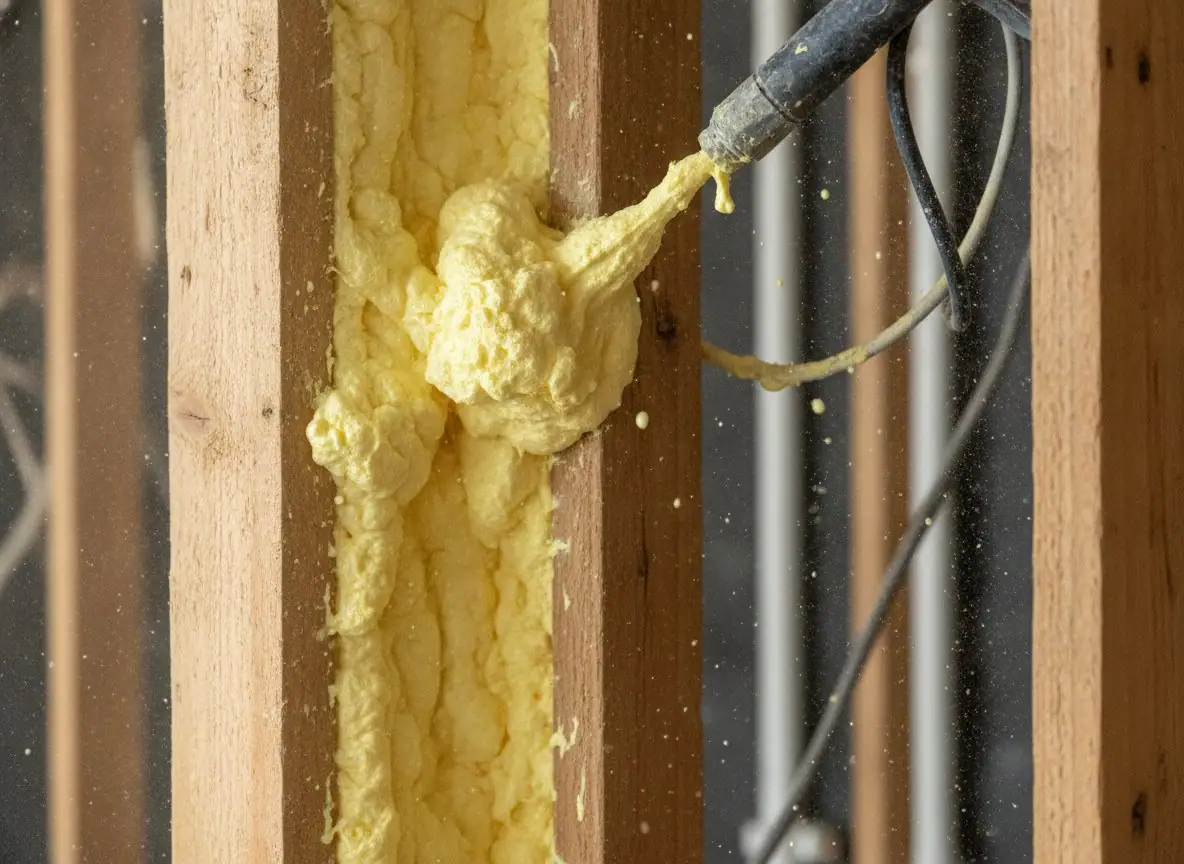
Understanding Cellulose Insulation
Cellulose insulation has a longer history than most homeowners realize. First developed in the early 20th century and widely adopted during the energy crisis of the 1970s, cellulose became a preferred alternative to fiberglass batts because of its superior air-sealing properties and its use of recycled materials — typically 80–85% post-consumer recycled newspaper and cardboard. It is treated with non-toxic borate compounds that provide resistance to fire, mold, and pests.
There are two primary forms of cellulose insulation: loose-fill (blown-in) and dense-pack. Loose-fill cellulose is most commonly used in open attic spaces, where it is blown in to achieve a target depth and R-value. Dense-pack cellulose, on the other hand, is blown into enclosed wall cavities or hard-to-reach spaces at higher densities to prevent settling and maximize thermal resistance.
Read moreShow less
In terms of thermal performance, cellulose achieves an R-value of approximately R-3.2 to R-3.8 per inch of thickness, making it highly competitive with fiberglass and spray foam in many applications. For attics in Southern California, the U.S. Department of Energy recommends achieving R-30 to R-60, depending on climate zone. Norwalk falls within Climate Zone 9, which calls for a minimum of R-38 in unconditioned attic spaces — a standard that a large percentage of older Norwalk homes fail to meet.
Cellulose also excels at reducing air infiltration. Because the material conforms to irregular surfaces, pipes, joists, and electrical wiring, it fills gaps that fiberglass batts routinely leave behind. This characteristic makes it especially well-suited to the older wood-frame construction that dominates Norwalk’s residential neighborhoods, where irregular framing from 1940s–1970s construction creates numerous bypass pathways for conditioned air to escape.
Beyond thermal performance, cellulose insulation contributes to improved indoor acoustics, reducing noise transfer between rooms and from outdoor sources — a meaningful benefit in a densely developed community like Norwalk where homes are built close together and traffic noise from the 605 Freeway and Rosecrans Avenue is a daily reality for many residents.
Why Cellulose Insulation Is Needed in Norwalk, CA
Norwalk’s Climate Demands
Norwalk sits in the eastern portion of the Los Angeles Basin, where summer temperatures regularly climb into the mid-90s°F and can spike above 100°F during regional heat events. The September 2022 heat dome that struck Southern California pushed temperatures in the Norwalk area to 105°F — straining power grids and overwhelming air conditioning systems. Homes without adequate attic insulation see interior temperatures rise dramatically in these conditions, as radiant heat from uninsulated attic decks transfers directly into living spaces below.
Winters in Norwalk, while mild by national standards, still bring nighttime lows in the low-40s°F from December through February. Without adequate insulation, heat generated by furnaces escapes rapidly through the attic and walls, forcing heating systems to run longer cycles and consume more energy. Norwalk’s location also brings marine layer influence from the nearby Pacific coast, creating periods of elevated humidity — typically 75–85% relative humidity during spring mornings — that can cause moisture accumulation in poorly insulated or ventilated attics.
Aging Housing Stock
A large share of Norwalk’s roughly 27,000 housing units were built between 1945 and 1975, during the post-World War II suburban boom that transformed this area of Los Angeles County. These homes were constructed under building codes that required little to no insulation, and many still contain only the original 3–4 inches of deteriorated fiberglass batts or no insulation at all. At that depth, R-values are often as low as R-9 to R-11 — far below the current California Title 24 requirement of R-38.
Neighborhoods like Mayfair, near the intersection of Imperial Highway and Pioneer Boulevard, and the residential tracts surrounding Norwalk’s Civic Center contain hundreds of these older homes. The wood-frame construction methods common in this era also create significant thermal bridging — heat conducted directly through structural members — that cellulose’s dense-pack method helps mitigate by filling cavities more completely than competing materials.
Energy Cost Pressures
Southern California Edison and Southern California Gas Company both serve Norwalk residents, and both have implemented rate increases in recent years. SCE’s tiered rate structure penalizes high consumption during peak summer hours (4–9 PM), when poorly insulated homes work hardest to maintain comfortable indoor temperatures. Upgrading to properly installed cellulose insulation can reduce cooling energy consumption by 20–40%, according to the Lawrence Berkeley National Laboratory, delivering measurable bill reductions year over year.
Urban Heat Island Effect
Like much of southeast Los Angeles County, Norwalk experiences the urban heat island effect, where dense pavement, limited tree canopy, and concentrated development create ambient temperatures 3–5°F higher than surrounding less-developed areas. The commercial corridors along Firestone Boulevard and Alondra Boulevard contribute to this effect, amplifying the heat load that residential roofs and attics must absorb during summer months.
Free, no-obligation estimates
Talk to Bright Sky Attic Insulation
Tell us what you need and we’ll take it from there.
Signs You Need Cellulose Insulation in Norwalk
Energy and Comfort Indicators
- Monthly SCE bills exceeding $180–$220 during summer months despite normal usage habits
- Rooms that are consistently 5°F or more warmer or cooler than the thermostat setting
- Air conditioning or heating systems that run nearly continuously without reaching set temperatures
- Noticeable drafts near outlets, switch plates, or ceiling light fixtures — signs of air bypasses in wall and attic cavities
Visual and Physical Symptoms
- Attic insulation depth below 10 inches (loose-fill fiberglass) or 8 inches (cellulose), indicating R-values below code
- Visible fiberglass batts that are compressed, discolored, or matted with moisture or debris
- Dark staining on attic insulation — a sign of air filtration that has moved particulates through the material
- Evidence of pest activity — rodent tunnels or nesting material embedded in existing insulation
Structural and Age Indicators
- Home built before 1978 with no documented insulation upgrades
- Recent roof replacement without corresponding attic inspection or insulation evaluation
- Ice dams or condensation visible in attic spaces during cool, humid winter mornings
Urgency Note: If you are experiencing both elevated energy bills and visible moisture in the attic, contact Bright Sky Attic Insulation immediately at (562) 573-5138. Moisture combined with damaged insulation can accelerate mold growth within 24–48 hours in Norwalk’s humid marine-layer conditions.
Our process
Our Cellulose Insulation Process in Norwalk
Bright Sky Attic Insulation follows a structured, seven-step process to ensure that every cellulose insulation project in Norwalk meets California Title 24 standards, manufacturer specifications, and the specific performance demands of your home.
- 01
Free Home Assessment (1–2 Hours)
Our technician visits your Norwalk property to conduct a comprehensive attic inspection. We measure existing insulation depth, assess ventilation conditions, identify moisture or pest issues, and photograph any areas of concern. We also review your recent util
- 02
Scope Development and Proposal (Same Day or Next Day)
Based on the assessment, we develop a written scope of work specifying target R-value, material quantities, and any preparatory work required. We provide itemized pricing with no hidden fees and explain all applicable Southern California Gas or SCE rebates tha
- 03
Preparatory Work (2–4 Hours on Installation Day)
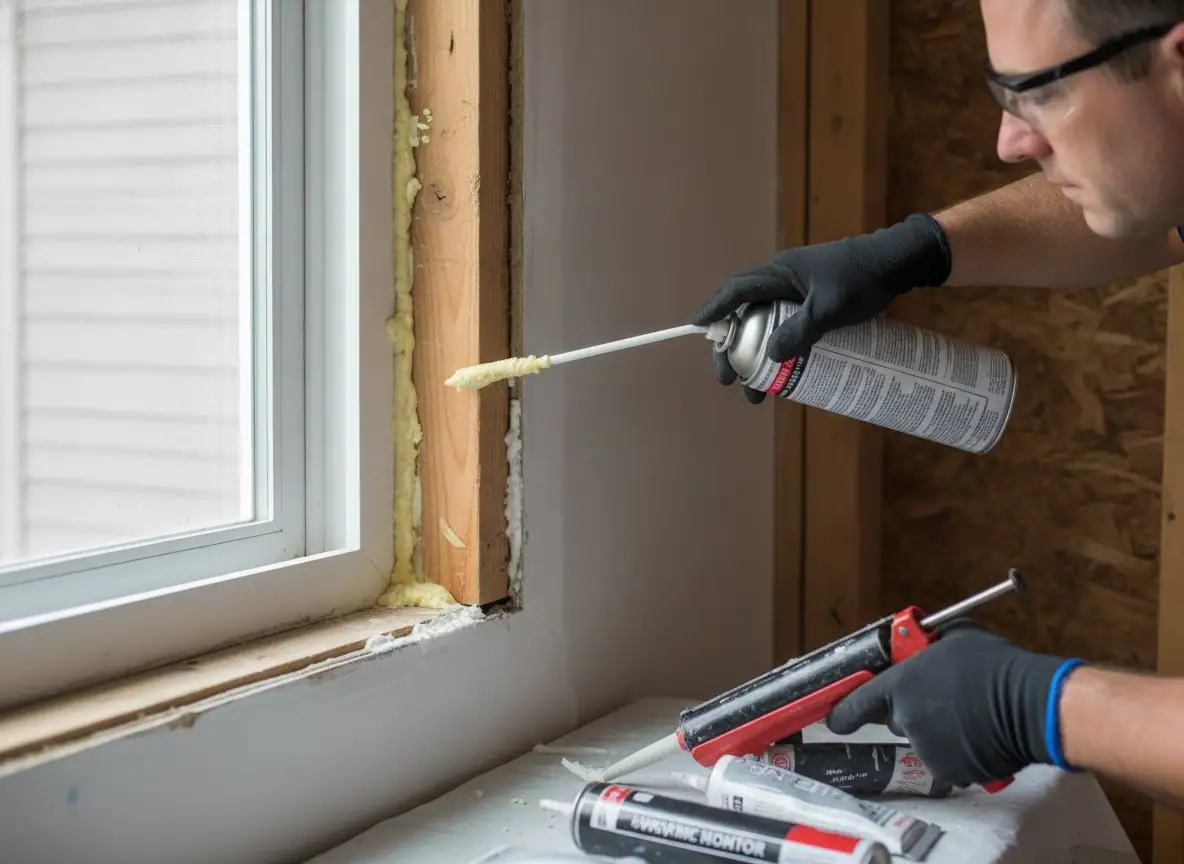
Before any insulation is installed, we seal all air bypasses — gaps around recessed lights, plumbing penetrations, attic hatches, and top plates — using expanding foam or caulk. In Norwalk’s older homes, this air sealing step is critical because bypass pathway
- 04
Existing Insulation Removal (If Required, 2–6 Hours)
If your existing insulation is contaminated, pest-damaged, or below minimum standards, we remove it using commercial-grade HEPA vacuum equipment. All removed material is bagged and disposed of in compliance with Los Angeles County waste regulations. Learn more
- 05
Cellulose Installation (2–5 Hours)
We install blown-in cellulose to the specified depth using calibrated blowing equipment. For Norwalk attics, we typically target R-38 to R-49 (approximately 10–13 inches of cellulose). Depth markers are installed throughout the attic for post-installation veri
- 06
Quality Control Inspection (30–60 Minutes)
A supervisor conducts a final walkthrough, measuring insulation depth at multiple points across the attic floor to confirm consistent coverage. We document final conditions with photographs provided to the homeowner upon project completion.
- 07
Cleanup and Homeowner Briefing (30 Minutes)
We clean all work areas thoroughly and walk you through what was installed, what R-value was achieved, and what maintenance steps will keep your insulation performing optimally. We also provide documentation suitable for utility rebate applications.
Cellulose Insulation Methods and Approaches
Blown-In Loose-Fill Cellulose
The most common method used in Norwalk attics, loose-fill cellulose is machine-blown over the attic floor to achieve the required depth and R-value. This method is ideal for open, unconditioned attic spaces and works exceptionally well around the irregular joist layouts and obstructions common in Norwalk’s 1950s–1970s tract homes. Installation is fast, typically completed in two to four hours for an average 1,500–2,000 square foot attic.
Dense-Pack Cellulose for Wall Cavities
For homes where exterior wall insulation is absent or insufficient — a common finding in pre-1975 Norwalk construction — dense-pack cellulose is injected into wall cavities through small-diameter holes drilled from the interior or exterior. The material is packed at 3.0–3.5 lbs per cubic foot to prevent settling and achieve an R-value of approximately R-13 per cavity. This method avoids costly drywall demolition and is highly effective in the standard 2×4 framing used throughout Norwalk’s residential neighborhoods.
Stabilized Cellulose for Sloped Ceilings and Roof Lines
Where cathedral ceilings or low-slope roof lines limit access to standard attic blowing, stabilized cellulose — mixed with a small amount of water to create a spray-applied product — can be applied directly to roof deck undersides or sloped ceiling cavities. This approach is increasingly used in Norwalk’s mid-century modern homes and remodeled properties with open floor plans.
Hybrid Cellulose and Spray Foam Systems
For maximum air sealing and thermal performance, we sometimes combine a spray foam air barrier at the attic floor with blown-in cellulose on top. This hybrid approach achieves optimal results in homes with severe bypass infiltration issues, particularly near the 605 Freeway corridor where pressure differentials from traffic patterns can worsen air leakage. Learn more about our spray foam insulation services
Cellulose Insulation Cost in Norwalk, CA
Understanding the cost of cellulose insulation in Norwalk helps homeowners plan and budget effectively. Pricing varies based on several factors including attic size, current insulation condition, target R-value, and any required preparatory work.
Typical Price Ranges
- Attic blown-in cellulose (installation only): $1.20–$2.00 per square foot
- Average 1,500 sq ft attic project: $1,800–$3,000 total
- Dense-pack wall cavity cellulose: $2.50–$4.50 per square foot of wall area
- Insulation removal prior to installation: $1.00–$2.00 per square foot additional
- Air sealing combined with insulation: Add $300–$700 depending on bypass severity
Factors That Affect Your Norwalk Project Cost
- Attic access: Homes with limited or low-pitch attic access require additional labor time
- Existing insulation condition: Pest-contaminated or moisture-damaged insulation requiring full removal increases cost
- Target R-value: Upgrading from R-11 to R-49 requires significantly more material than upgrading from R-19 to R-38
- Pest or moisture remediation: If structural damage or mold is discovered, remediation must precede insulation
Read moreShow less
Available Rebates and Incentives
Norwalk homeowners may qualify for rebates through Southern California Edison’s Energy Efficiency Programs or Southern California Gas Company’s Energy Upgrade California initiative. Federal tax credits under the Inflation Reduction Act (25C) allow homeowners to claim up to 30% of insulation project costs, capped at $1,200 per year. Our team helps identify and document all applicable incentives to reduce your net project cost. For a precise estimate tailored to your Norwalk home, call (562) 573-5138 today.
Norwalk Neighborhoods We Serve
Mayfair District
Located in the northern portion of Norwalk near the intersection of Imperial Highway and Pioneer Boulevard, the Mayfair District contains hundreds of single-family homes built primarily between 1948 and 1965. Many feature original fiberglass batt insulation that has settled or been compromised by decades of pest activity. Dense-pack cellulose wall upgrades are especially popular here. Explore our attic insulation services for Mayfair homes
Civic Center Area
The residential tracts surrounding Norwalk’s Civic Center along Norwalk Boulevard include a mix of 1960s tract homes and 1970s multi-unit developments. Many of these properties have shared attic spaces or complex rooflines that benefit from blown-in cellulose’s ability to conform to irregular spaces without leaving coverage gaps.
South Norwalk Near Alondra Boulevard
South Norwalk’s residential neighborhoods along and south of Alondra Boulevard include some of the city’s older housing stock, with a number of homes dating to the early 1950s. These properties frequently have inadequate or absent wall insulation and attic depths well below current Title 24 standards. Combined attic and wall cellulose packages are commonly recommended here.
East Norwalk Near Studebaker Road
The eastern corridor of Norwalk bordering Santa Fe Springs along Studebaker Road includes both residential and light industrial properties. Homes in this area face additional heat load from adjacent industrial zones and proximity to rail lines, making proper attic insulation a high-priority energy upgrade.
Cellulose Insulation Maintenance Tips for Norwalk Homeowners
- Inspect attic depth annually: Check insulation depth markers each fall before heating season. If depth has dropped more than one inch from original installation, additional material may be needed.
- Monitor attic ventilation: Ensure soffit vents and ridge vents remain clear of debris, particularly after the Santa Ana wind events that occur in Norwalk each fall and winter, which deposit leaves and particulates that can block airflow.
- Address roof leaks immediately: Even minor roof leaks can saturate cellulose insulation rapidly. Wet cellulose loses R-value and can support mold growth. Schedule roof inspections after significant rainfall.
- Seal attic hatch edges: The attic access hatch is one of the highest heat-loss points in any home. Ensure weatherstripping remains intact and that the hatch cover is properly insulated.
- Keep attic clear of stored items: Avoid storing boxes or furniture on the attic floor where they compress and displace insulation, creating thermal gaps.
- Check for pest activity each spring: Norwalk’s warm climate supports year-round rodent activity. Inspect for entry points and nesting evidence during spring, as pest damage to cellulose can be severe if left unaddressed.
- Schedule professional re-inspection every 5–7 years: Cellulose can settle 10–20% over time, particularly in high-humidity conditions. A professional inspection confirms that your R-value is still meeting performance targets.
Why Choose Bright Sky Attic Insulation in Norwalk
Bright Sky Attic Insulation is a locally focused insulation contractor serving Norwalk and the surrounding southeast Los Angeles County communities. Our technicians are trained specifically on the housing types, attic configurations, and climate challenges common to this region — not a generalized national training program designed for different building types and climates.
We understand the difference between a 1952 ranch home in Norwalk’s Mayfair District and a 1978 tract home near Studebaker Road, and we tailor our recommendations accordingly rather than applying a one-size-fits-all approach. Every project includes a comprehensive site assessment, transparent written pricing, and post-installation documentation to support utility rebate applications.
Read moreShow less
Our team stays current on California Title 24 energy code requirements and can help homeowners understand what improvements qualify for SCE, SoCal Gas, and federal tax incentive programs. We serve all neighborhoods throughout Norwalk as well as nearby communities including Downey, Bellflower, Cerritos, La Mirada, and Whittier.
To schedule your free Norwalk attic assessment, call us at (562) 573-5138. We respond to all inquiries within one business day and offer flexible scheduling including weekend appointments.
Ask about our crawl space insulation services for Norwalk homes
FAQ
Frequently Asked Questions — Cellulose Insulation in Norwalk, CA
How much does cellulose insulation cost for a typical Norwalk home?
For an average 1,500–2,000 square foot Norwalk home with an open attic space, blown-in cellulose insulation typically costs between $1,800 and $3,500, depending on the target R-value, current insulation condition, and whether any removal or air sealing work is required. We provide free, itemized estimates with no obligation.
How long does cellulose insulation installation take in a Norwalk attic?
Most standard Norwalk attic insulation projects are completed within four to eight hours, including preparatory air sealing and final inspection. Homes requiring full insulation removal prior to installation may require a full day. We schedule most projects within one to two weeks of estimate approval.
Is cellulose insulation safe for older Norwalk homes?
Yes. Cellulose is non-toxic, treated with borate-based fire retardants, and safe for installation in all occupied residential properties. It does not contain the glass fibers associated with fiberglass products and poses no respiratory or skin irritation risk to occupants after installation. However, homes built before 1978 should be tested for asbestos in existing insulation before removal begins — our team follows all Cal/OSHA protocols for pre-1978 properties.
Will cellulose insulation help with noise from the 605 Freeway?
Cellulose insulation provides meaningful acoustic benefits. Its dense fiber structure absorbs and dampens sound waves more effectively than standard fiberglass batts. While it will not eliminate freeway noise entirely, residents in homes near the 605 Freeway or along Rosecrans Avenue and Firestone Boulevard typically report a noticeable reduction in exterior noise transfer after attic cellulose installation.
What R-value do I need for my Norwalk attic?
Norwalk falls within California’s Climate Zone 9. California Title 24 requires a minimum of R-38 for attic insulation in existing homes, and R-49 for new construction. The U.S. Department of Energy recommends R-38 to R-60 for this zone. Most Norwalk homes built before 1980 fall significantly below R-38, making an upgrade both a compliance issue and a meaningful energy investment.
Can cellulose insulation be installed over my existing fiberglass insulation?
In many cases, yes. If your existing fiberglass insulation is dry, free of pest activity, and reasonably intact, blown-in cellulose can be installed on top to bring the total R-value up to code. However, if the existing material is compressed, moisture-damaged, or contaminated, removal is recommended before new cellulose is installed. Our free assessment will determine the best approach for your specific attic conditions.
Do you offer blow-in insulation services for crawl spaces in Norwalk?
Yes. Bright Sky Attic Insulation offers comprehensive crawl space insulation and crawl space encapsulation services for Norwalk homes. Many older properties in Norwalk have uninsulated or inadequately insulated crawl spaces that contribute to cold floors and elevated heating costs during winter months.
How soon will I see savings on my energy bills after cellulose insulation is installed?
Most Norwalk homeowners notice a reduction in their Southern California Edison and SoCal Gas bills within the first full billing cycle after installation. During peak summer months — particularly July through September when SCE’s tiered rates are highest — homes with properly installed R-38 or greater attic insulation commonly see cooling cost reductions of 20–35% compared to pre-installation baselines.
Get Your Free Cellulose Insulation Estimate in Norwalk Today
If your Norwalk home is uncomfortable, your energy bills are climbing, or you suspect your attic insulation is outdated or damaged, now is the time to act. Bright Sky Attic Insulation provides free, no-obligation assessments for homeowners throughout Norwalk and the surrounding southeast Los Angeles County area.
Our team will evaluate your current insulation, identify any issues, and provide a clear written estimate with transparent pricing and information on available rebates and tax incentives. We serve all Norwalk neighborhoods as well as nearby communities including Downey, Bellflower, Cerritos, La Mirada, Whittier, and Lakewood.
Call us now at (562) 573-5138 to schedule your free attic assessment. We offer flexible appointment times including weekends to accommodate busy Norwalk families. Don’t wait until the next heat wave to find out your home isn’t properly protected — contact Bright Sky Attic Insulation today.
Learn more about our blow-in insulation services | Explore insulation replacement options
Get in touch
Find insulation help near you
Request a free estimate online or give us a call — our team will follow up quickly.
- Call us(562) 573-5138
- Visit14020 Pioneer Blvd K, Norwalk, CA 90650
- HoursMon-Sun 07:00-19:00